633 College Ave
Greg & Char’s Landscape Refresh
JUMP TO EACH SECTION ON YOUR PAGE BY USING THESE QUICK LINKS:
DIY PLANTING STEPS | AREA CHECKLIST | DESIGN FEATURES | DESIGN | PLANT LIST | PLANT PICS | MATERIALS | GARDEN 411 | LOCAL VENDORS
Project Summary
XERISCAPE REFRESH
Refresh an existing landscaped property with gaps in various garden areas into an integrated high altitude xeric yardscape by artfully including semi-native shrubs, perennials, decorative grasses, a small decorative tree, and ground cover.
Thoughtfully stage plantings to support visibility of house numbers on decorative boulder feature at front of drive entrance
Introduce recommendations for DIY maintenance and minimal homeowner installation steps.
PLANTING STEPS
PLANTING DATEs
BASIC REPEATABLE STEPS
1) Source + Deliver “Softscape” materials:
• Soil/ Amendment / Mycorrhizae
• Pick up Plants
2) Review Design (FRONT DRIVE)
• Refer to Layout
• Stage plants on site
3) Install Plants + Materials
• Gather tools, materials, plants
• PREP SOIL — See Soil section below
• See any NOTES on DIY HOW-TO-PLANT
• TAKE PICS before + after
4) Install Drip Irrigation
• Add 1/4” drip line to new plants
— Your irrigation guy (optional)
— See DRIP TIPS below for DIY
5) Repeat Steps 1 - 4 for NEXT AREA (as nec)
• Refer to design layout + plant list
6) DIY Maintenance Schedule
• Follow Checklist below for seasonal yard care (aka maintenance) DIY schedule
PLANTING DATE : APRIL 25-26
√
GET BAGGED SOIL, EXPANDED SHALE (if avail)
PICKUP WILDFLOWER / CURRENTS
√
REBECCA ON SITE TO HELP STAGE LAYOUT + PRO TIPS
√
GREG
√
GREG ? or Your Irrigation Guy
√ TBD as needed
UPDATES TBD during design phase
√
GREG
NEXT PLANTING DATE
CHECKLIST
GARDEN AREAS
✔ Greg
FRONT DRIVE GARDEN — WEST
SEASONAL CARE SCHEDULE
RECOMMENDATIONS — TBD
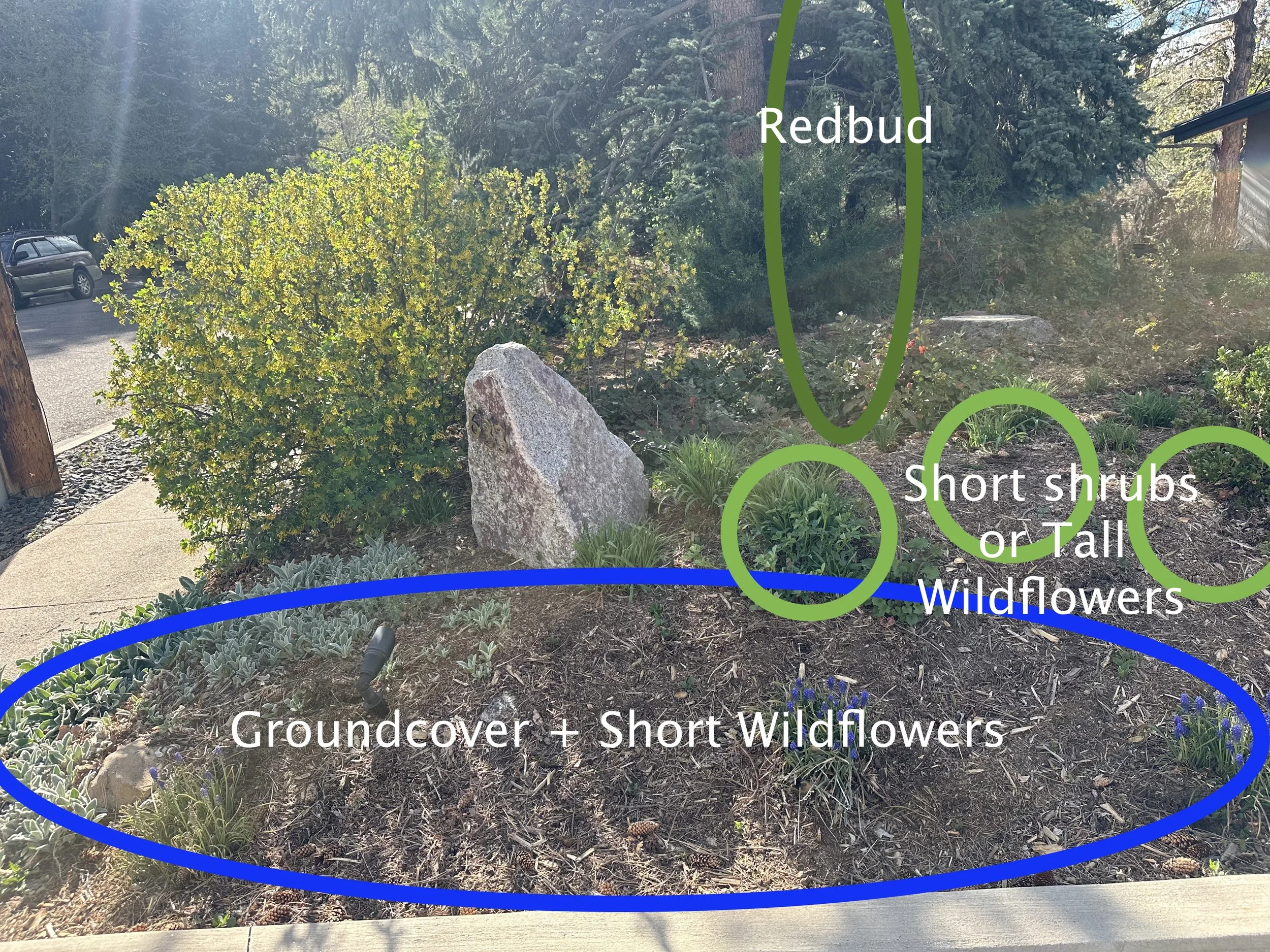
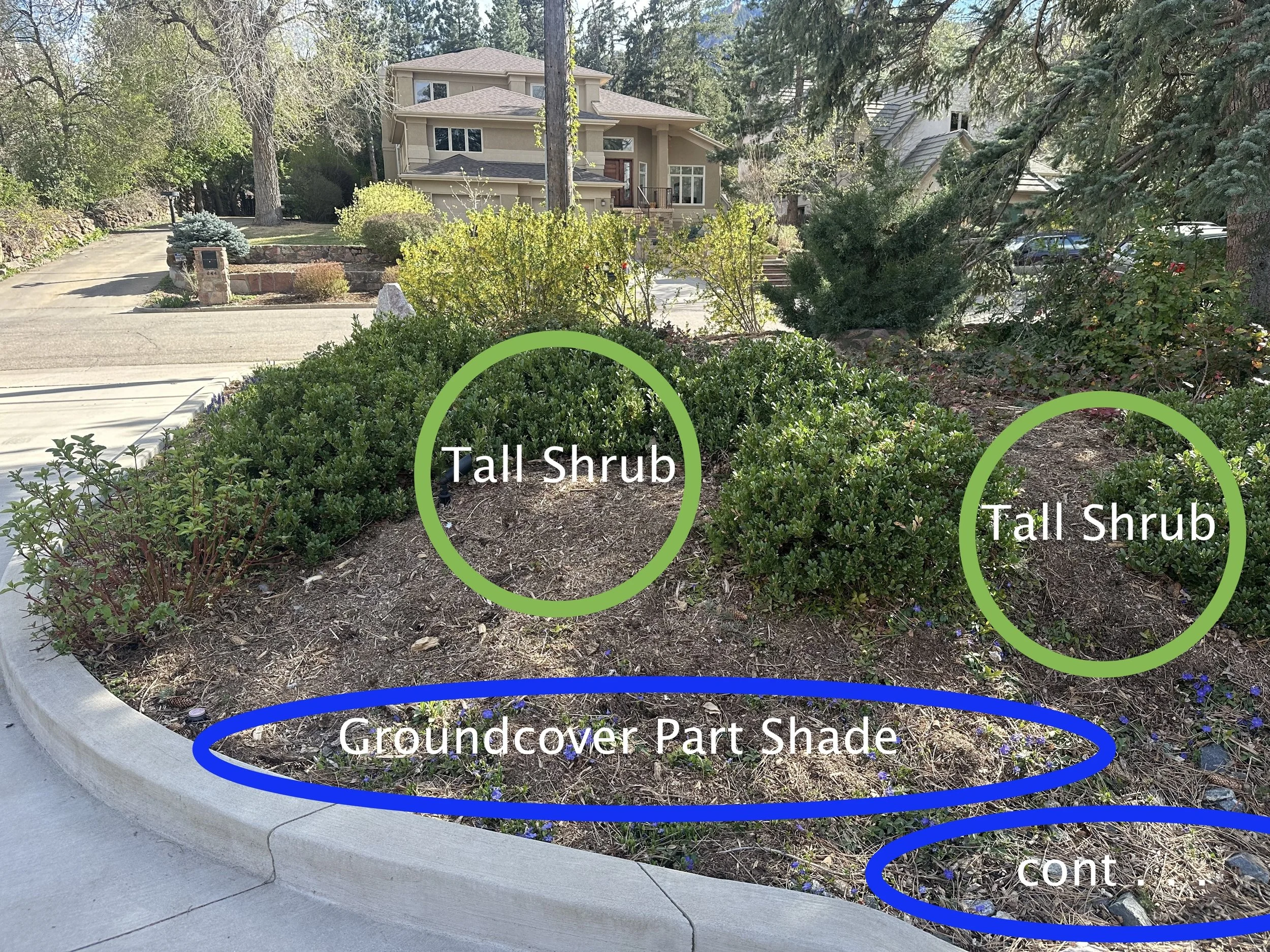
❖ Remove existing Lamb’s Ear ground cover
• TRANSPLANT to EAST GARDEN
• If Weedmat is discovered + in good condition, leave in place. If in poor condition, either remove or replace, and cut wide holes for plants before planting.
❖ STAGE + PLANT NEW GROUNDCOVER + WILDFLOWERS per design
• Refer to SOIL section below for recommendations on prepping soil structure before + with planting
❖ Irrigation = Add 1/4” Drip Line to new plantings
• See video short below for easy pro HOW TO steps
FRONT DRIVE GARDEN — WEST
FRONT DRIVE GARDEN — EAST
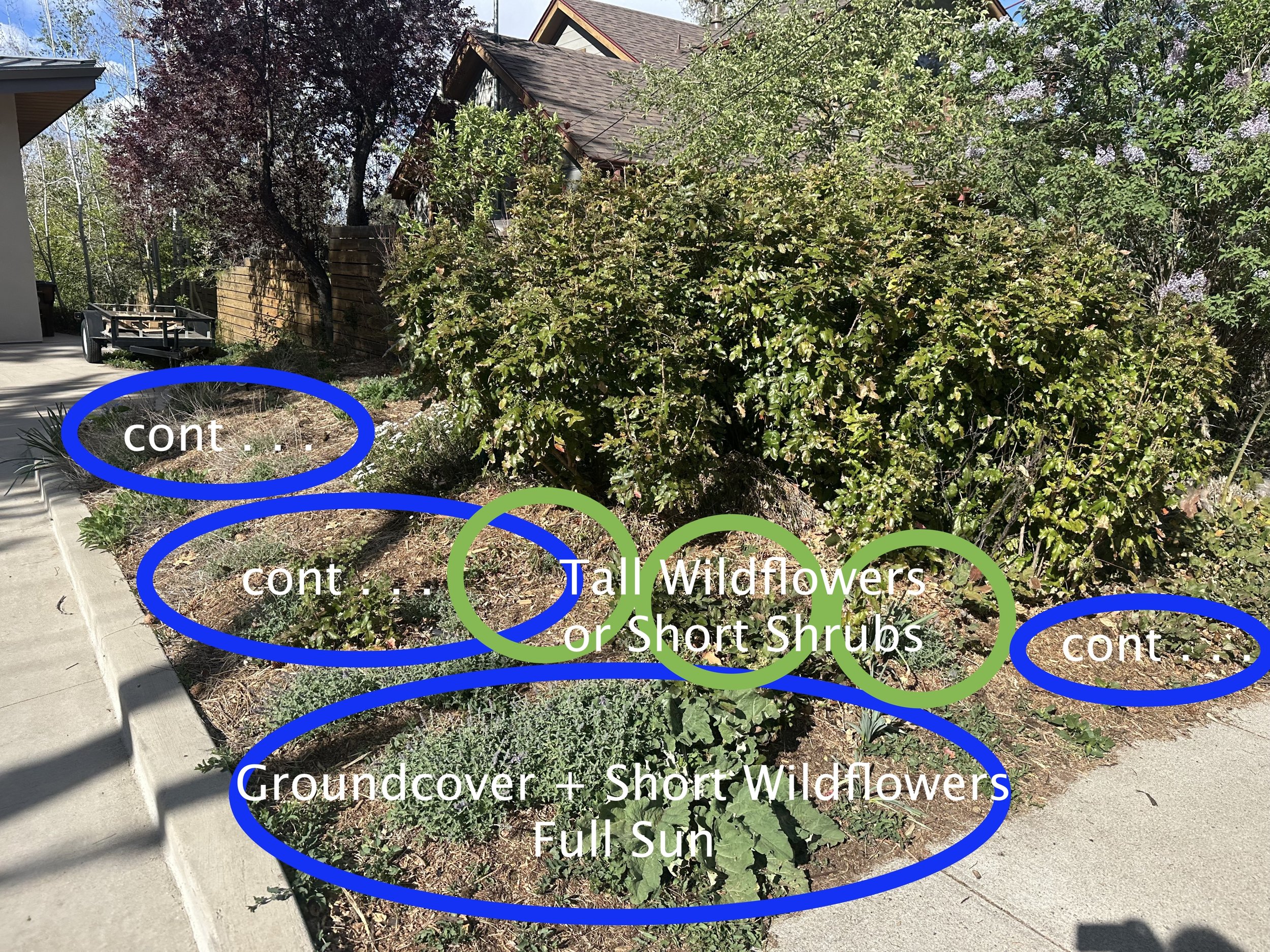
❖ Remove existing Wild Bellflower (spreading weed)
• DO NOT COMPOST (put in trash to organically decompose)
• If Weedmat is discovered + in good condition, leave in place. If in poor condition, either remove or replace, and cut wide holes for plants before planting.
❖ STAGE + PLANT NEW GROUNDCOVER + WILDFLOWERS per design
• Refer to SOIL section below for recommendations on prepping soil structure before + with planting
❖ Irrigation = Add 1/4” Drip Line to new plantings
• See video short below for easy pro HOW TO steps
FRONT WALK + ENTRANCE
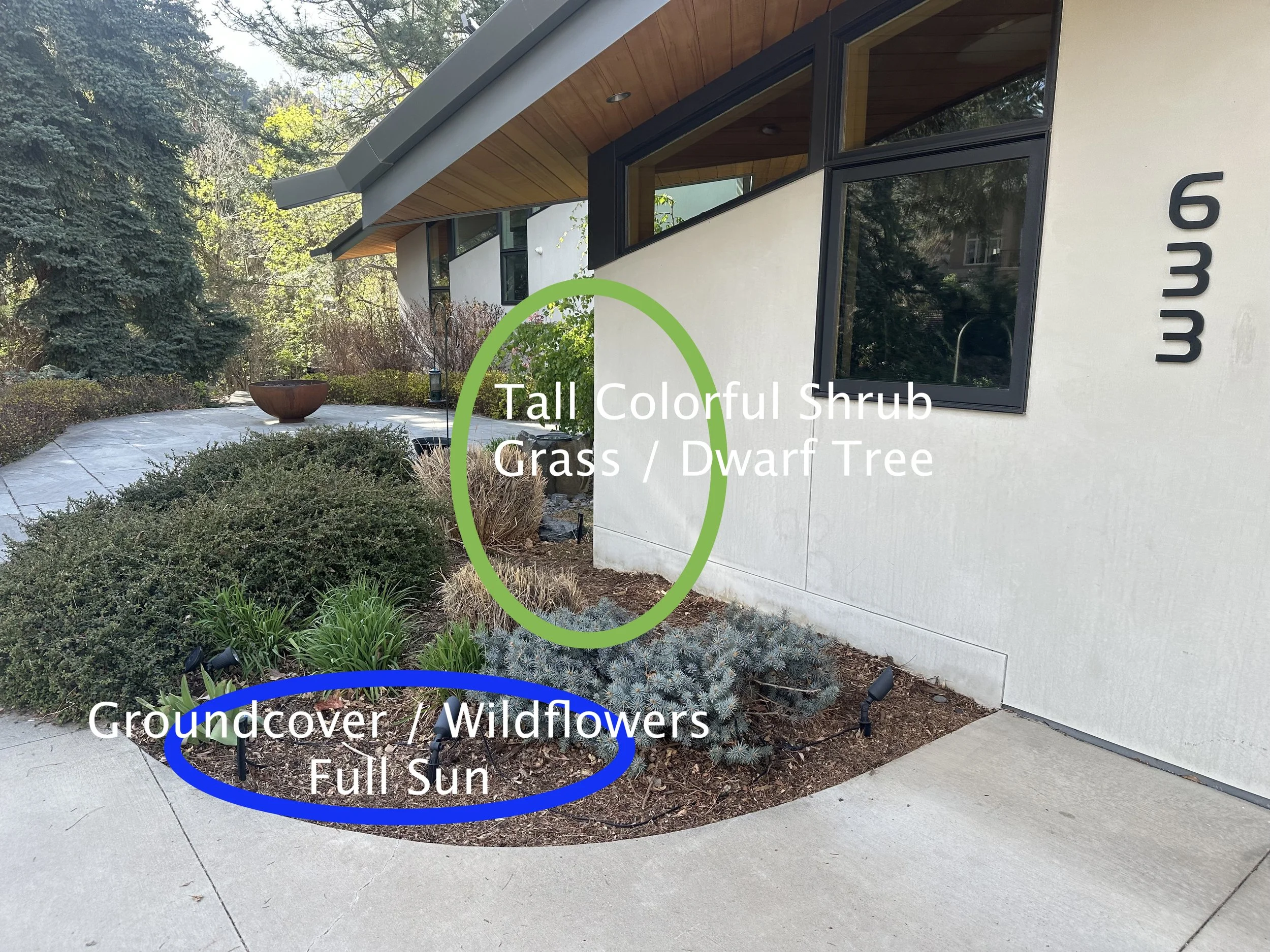
❖ Remove existing Tall Decorative Grass and perennials along front border.
• TRANSPLANT to EAST GARDEN
• If Weedmat is discovered + in good condition, leave in place. If in poor condition, either remove or replace, and cut wide holes for plants before planting.
• LEAVE DWARF BLUE SPRUCE EVERGREEN as is
❖ STAGE + PLANT NEW TALL STATEMENT SHRUB OR SHORT DECORATIVE TREE (TBD) + PERENNIALS OR WILDFLOWERS per design
• Refer to SOIL section below for recommendations on prepping soil structure before + with planting
❖ Irrigation = Add 1/4” Drip Line to new plantings
• See video short below for easy pro HOW TO steps
SIDEWALK ROW
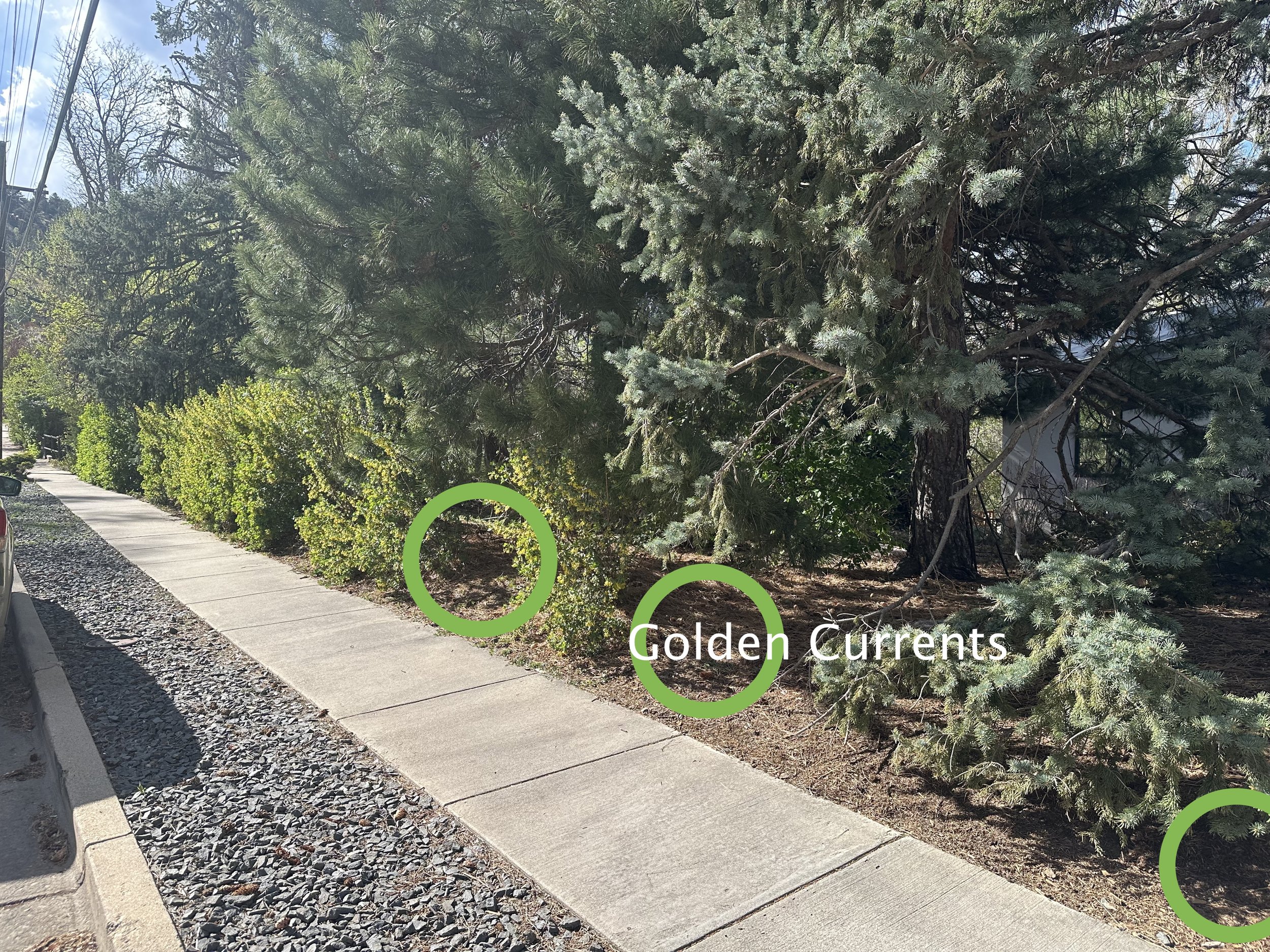
❖ STAGE + PLANT NEW GOLDEN CURRENT SHRUBS per design
• Refer to SOIL section below for recommendations on prepping soil structure before + with planting
❖ Irrigation = Add 1/4” Drip Line to new plantings
• See video short below for easy pro HOW TO steps
SIDEWALK ROW
MORE DIY OPTIONS
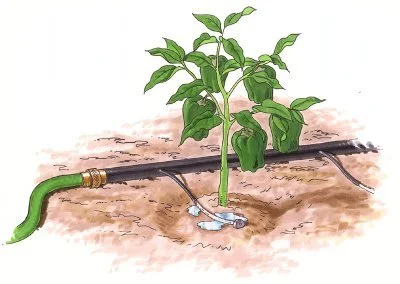
DRIP TIPS
❖ ADD MICRO SPRAYS = Ask clients if they wish to add ___ micro sprays to veggie garden areas / Confirm with Humberto for added minimal cost estimate
❖ ADD RAIN BARREL = Ask clients if they wish to add / Install a Rain Barrel at back yard downspout to collect smart water for plants
*NOTE All hardscape and irrigation sequence, steps, or information referenced for this project is for general purposes only. While we do our best to communicate among all project stakeholders, it is recommended that you refer to your licensed independent installation business or contractor for confirmation.
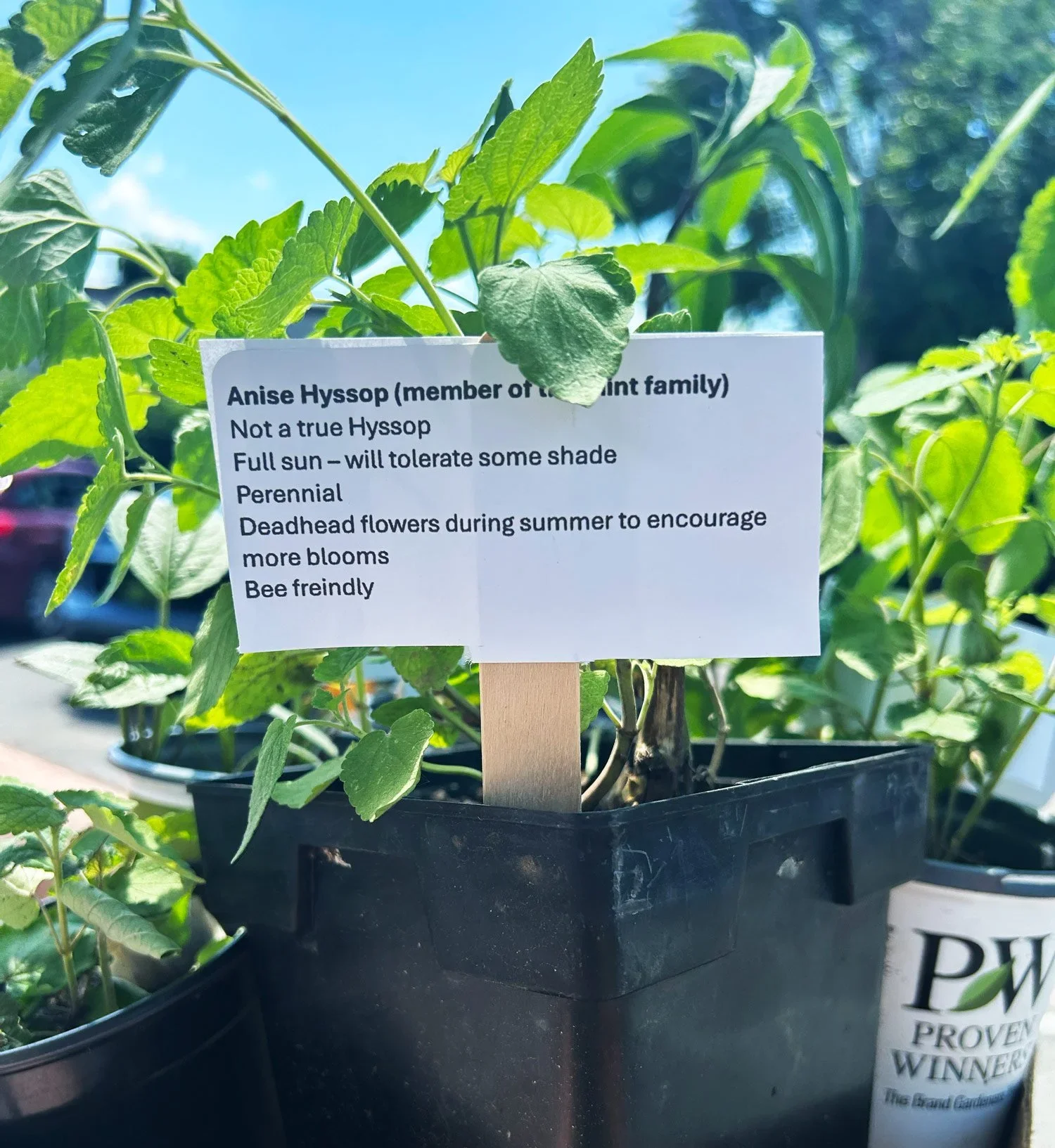
plant swap
OPTION TO DONATE You always have the option to donate plants that you are planning to remove from your own garden — for the enjoyment of knowing they’ll find a good home!
• Make sure plant is healthy and pest-free before donating
• Place viable plants in used plastic pots (avail from local nurseries) with soil for donation to community garden (Rebecca will pick up) or give to neighbors
• GOOD TO PREP - BUT OPTIONAL Soak plant roots and/or lightly water the soil in the planting before donating.
Thank you! Your donations help keep other gardens loved and thriving!
Design Features
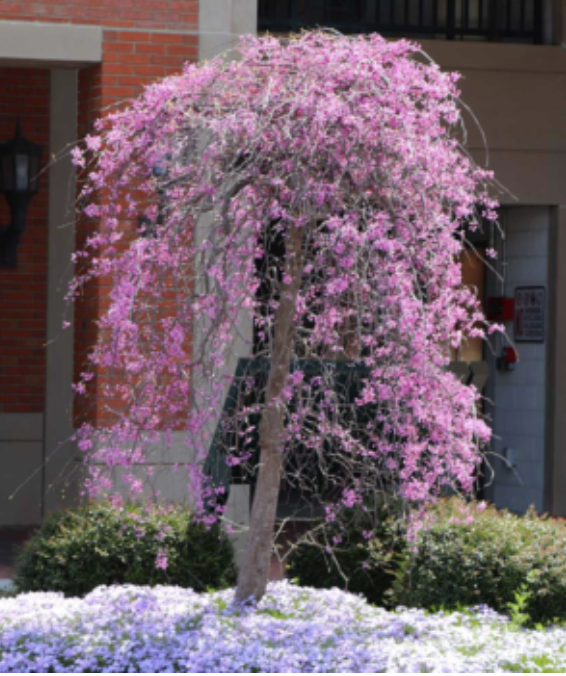
Ruby FallS ❖ Red Bud
• Hardiness & Elevation: It is hardy at elevations below 5,500 feet.
Site Selection: Plant in a location protected from harsh winter winds and strong afternoon sun to prevent leaf scorch, especially in dry, hot summer areas.
Soil & Water: Prefers well-drained, fertile soil. It should not be allowed to dry out completely, particularly when young, but requires good drainage to avoid root rot.
Protection: In colder Colorado microclimates, a thick layer of mulch in winter is recommended.
Planting Time: Best planted in late spring (May to June) in Colorado to avoid late frosts.
Glacier View Landscape and Design, Inc. +6
While they are generally easy to grow, they can be prone to canker or verticillium wilt if stressed, making proper, consistent watering crucial.
Ruby Falls Redbud (Cercis canadensis 'Ruby Falls') can grow well in Colorado when provided with proper care, such as wind protection and consistent moisture. As a small weeping tree (6–8 ft), it thrives in well-drained soil, full sun to partial shade, and adds dramatic burgundy foliage.
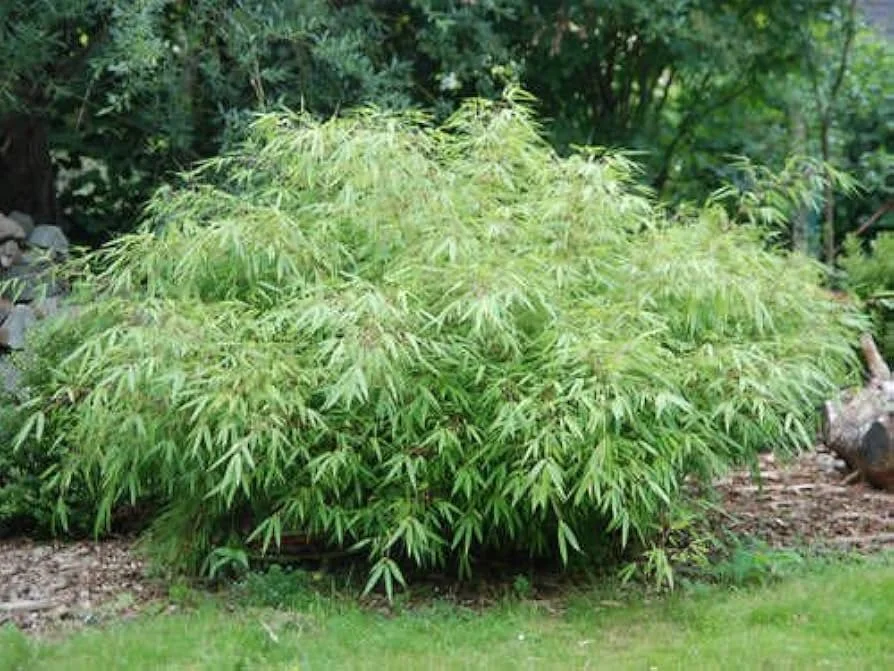
sunset glow ❖ clump bamboo
Sunset Glow Clump Bamboo (Fargesia rufa) grows well in Colorado as a non-running, privacy-providing plant and is considered a top choice for the climate. It is a non-invasive, cold-hardy clumping variety that thrives in partial shade, reaches roughly 8–10 feet in height, and is resilient to wind and low temperatures, often staying green year-round. It has been successfully grown in the Denver/Colorado Springs area for over 20 years.
Light Requirements: While it can handle full sun, it prefers partial shade, especially in the hot afternoon sun.
Watering: It requires consistent moisture, particularly during dry Colorado summers. Deep, regular watering is crucial to prevent stress.
Soil/Care: Thrives in rich, well-draining soil and benefits from heavy mulching to protect roots from intense temperature fluctuations.
Usage: Its dense, cascading, and arching nature makes it an excellent privacy screen or hedge.
Growth Rate: It is fasts-growing for a clumping variety, expanding in width by about 7 inches per year.
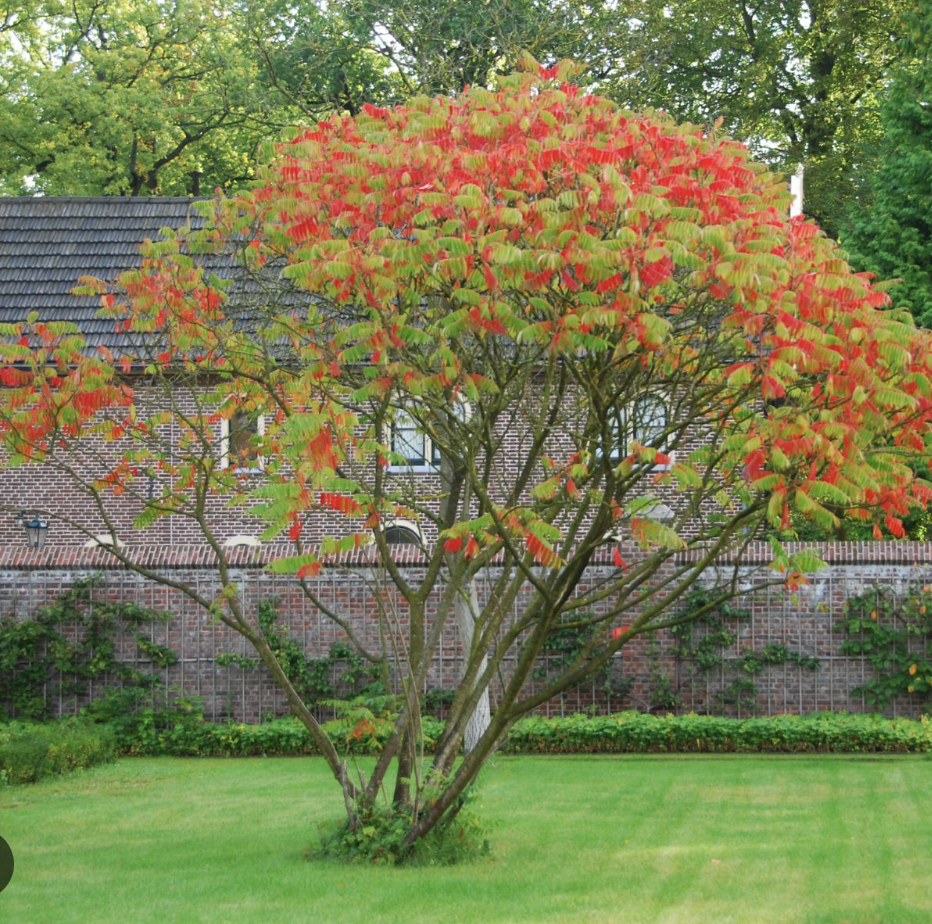
Staghorn ❖ Suac
Staghorn Sumac (Rhus typhina) grows very well in Colorado. It is a durable, low-maintenance, drought-tolerant shrub often used in the state’s landscaping for its bright fall color and ability to withstand alkaline soil and high winds.
Vigorous Growth/Suckering: It spreads quickly via underground suckers, forming dense thickets, which makes it excellent for erosion control but requires regular maintenance to keep it contained. (Not recommended for this reason, but an option.)
Water Needs: While very drought-tolerant once established, it needs some moisture to get established, though it cannot tolerate standing water.
Sun Requirements: Thrives in full sun to partial shade.
Varieties: Both the straight species and cutleaf varieties (e.g., 'Laciniata' or 'Tiger Eyes') perform well
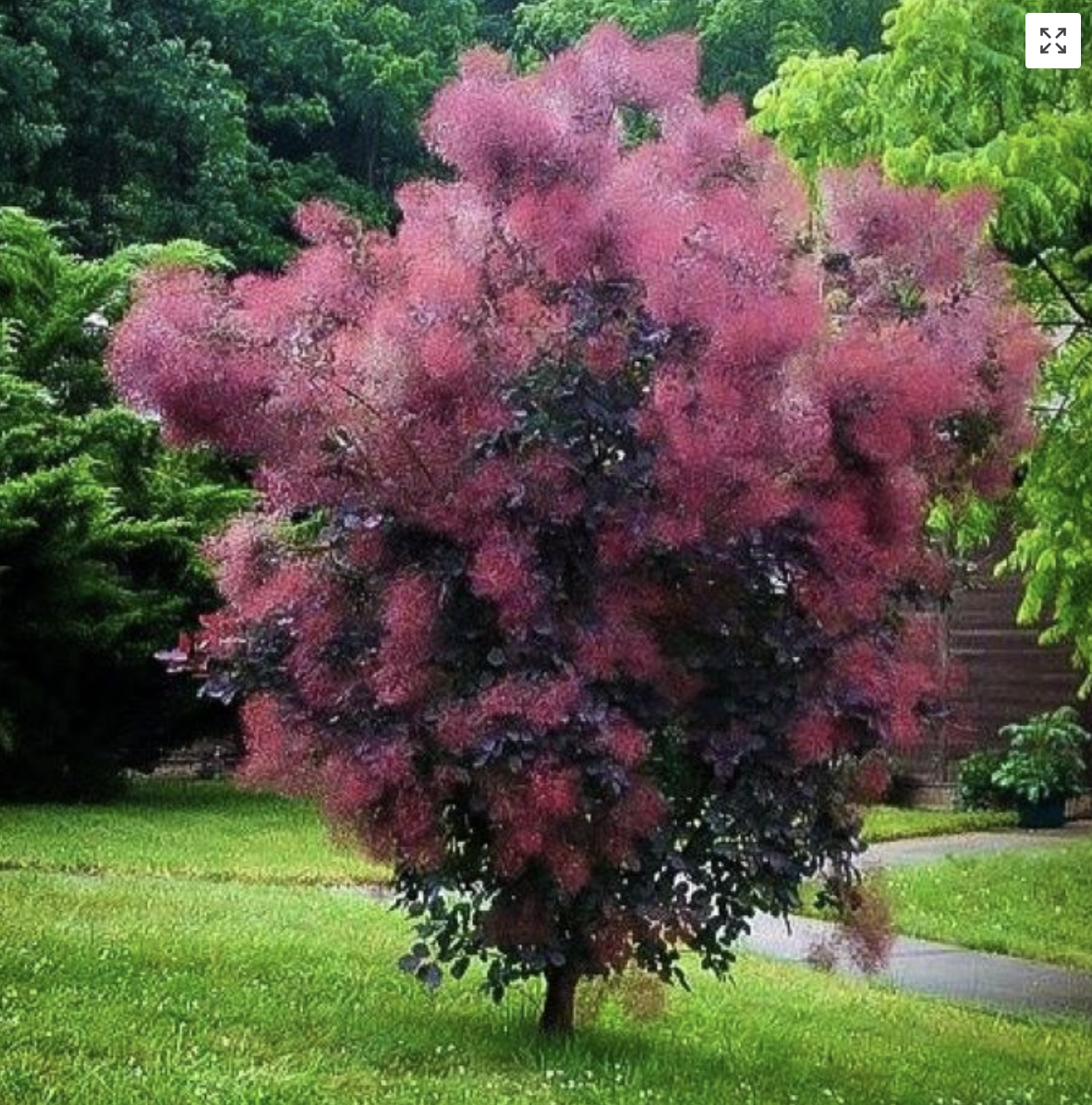
❖ Purple smoke Tree
Purple smoke trees (Cotinus coggygria) grow well in Colorado, particularly in full sun. They are drought-tolerant once established and adapt to poor, rocky, or clay soils. However, they may experience occasional winter dieback and prefer sheltered locations to thrive in Colorado's climate.
Hardiness: They are generally hardy in zones 4-8, withstanding cold temperatures, but new plants may have some winter dieback initially.
Exposure: They perform best in full sun, which helps develop the best purple foliage color.
Water Usage: They are low-to-moderate water users, fitting well into Xeriscape plans, but they need regular water for the first few years to establish.
Soil: They prefer well-drained soil and do not do well in consistently soggy conditions.
Size: They typically grow 10–15 feet tall and wide, behaving as a large shrub or small, multi-stemmed tree.
Maintenance: Little pruning is required, though they can be pruned in early spring to shape or maintain a smaller size.
Extension Foundation +6
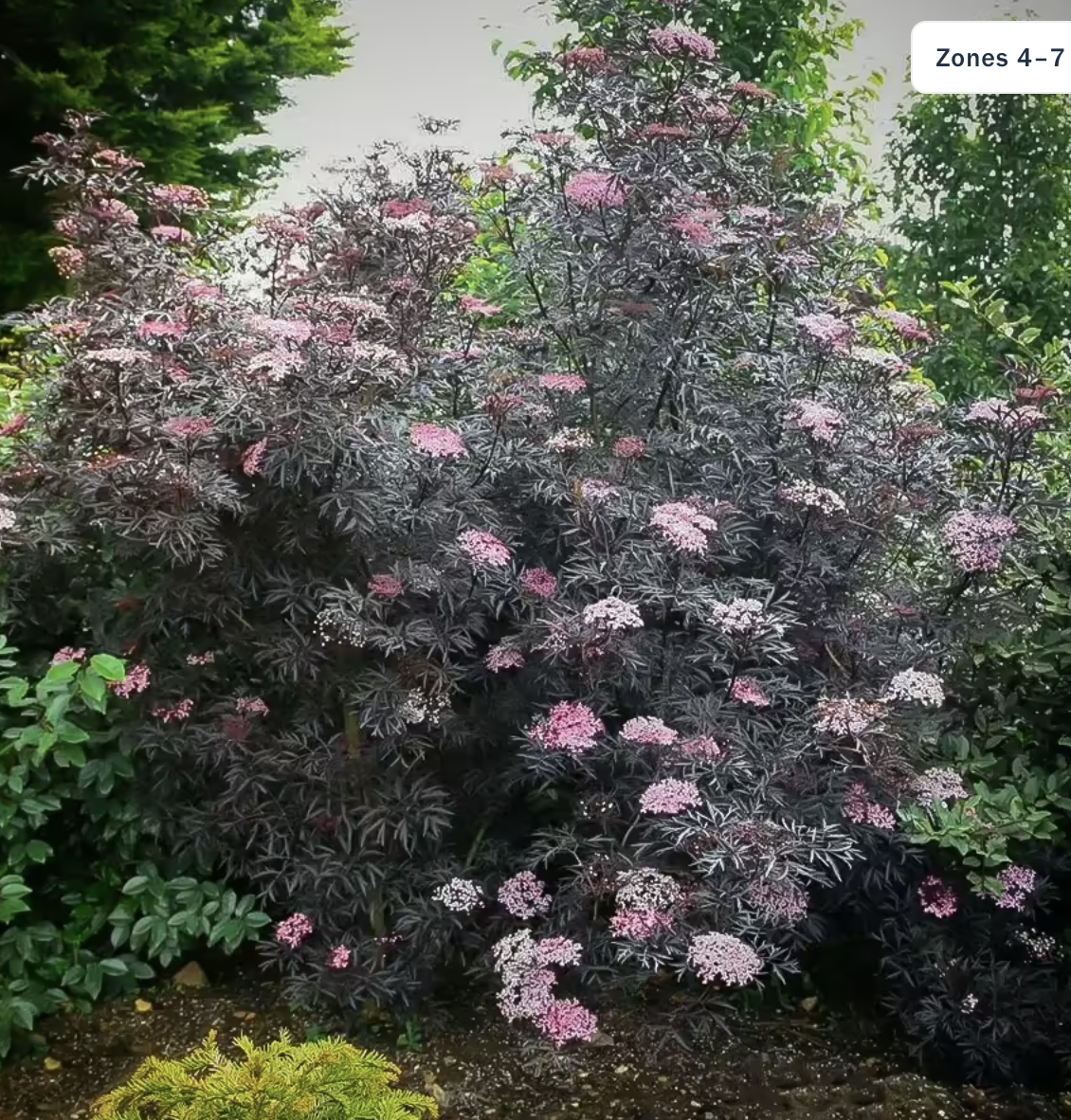
Lace leaf ❖ Elderberry
Laceleaf Elderberry (specifically cultivars like Lemony Lace and Black Lace ) generally grows very well in Colorado. They are popular, tough, and adaptable shrubs that thrive in the state's intense sun, provided they receive regular moisture.
Adaptability: These shrubs are highly adaptable to Colorado's clay soils and are considered deer-resistant.
Sun & Heat: While they enjoy full sun, they can handle partial shade, which is often recommended to prevent afternoon scorch in hotter, lower-elevation areas of Colorado.
Watering: Although they are relatively hardy once established, they thrive with regular, consistent moisture. They can grow well in damp spots in the garden.
Pruning: They are easily pruned to maintain a smaller size (often kept at 3–5 feet for Lemony Lace, or 6-8 feet for Black Lace). They bloom on old wood, so late winter or early spring pruning is best for shaping.
Size: They are fast-growing, making them an excellent choice for a quick-growing shrub screen
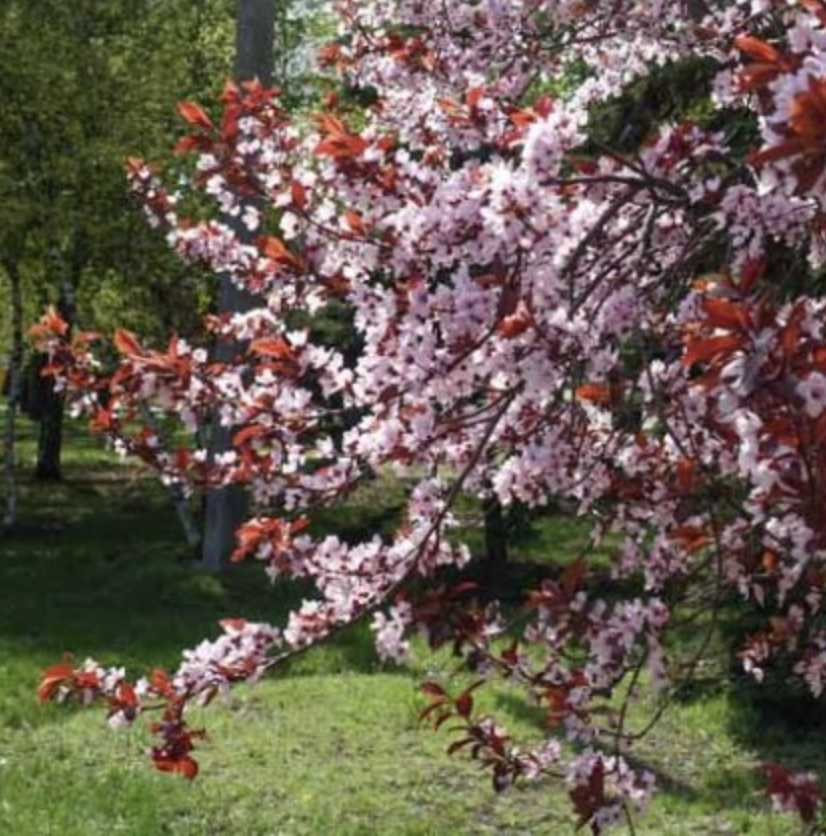
❖ Cistena Plum Shrub
Cistena Plum (Prunus x cistena), or purple-leaf sand cherry, grows very well in Colorado, as it is highly hardy, tolerating cooler temperatures. It thrives in full sun, adapts to various soil types, and is ideal for Colorado's climate, reaching roughly 6–10 feet tall.
Climate Adaptability: They are drought-tolerant once established and handle urban pollution.
Best Location: Plant in full sun to ensure the best reddish-purple leaf color.
Soil: They prefer well-drained soil and are not picky about pH, but will not tolerate standing water or overwatering.
Maintenance: Generally low-maintenance, but they can be susceptible to sunscald in Colorado's intense sun; protecting the trunk of young trees is recommended.
EXISTING Design + NEW ADDITIONS
EXISTING SEMI-NATIVE LOW-WATER USE THEME
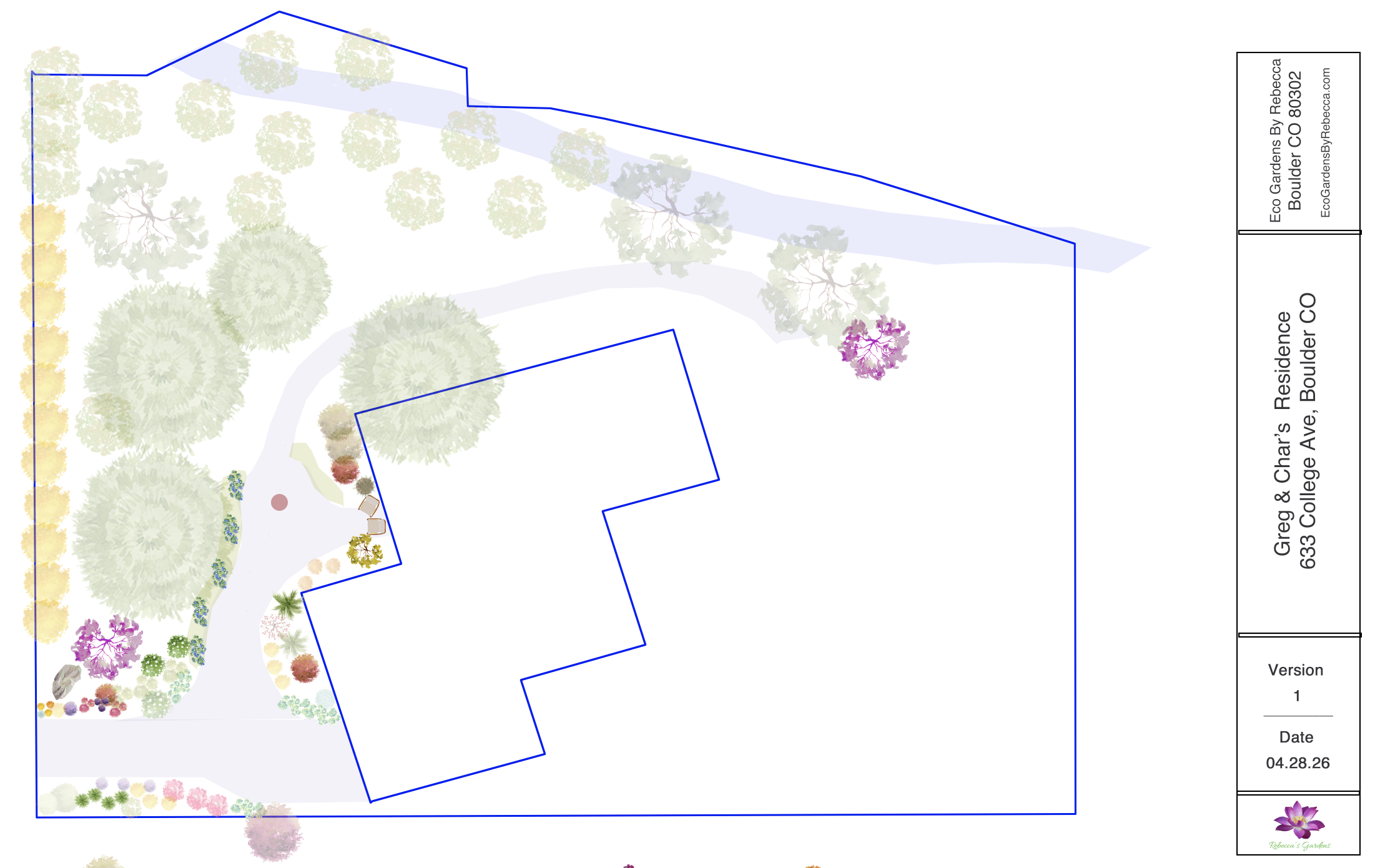
FRONT YARD
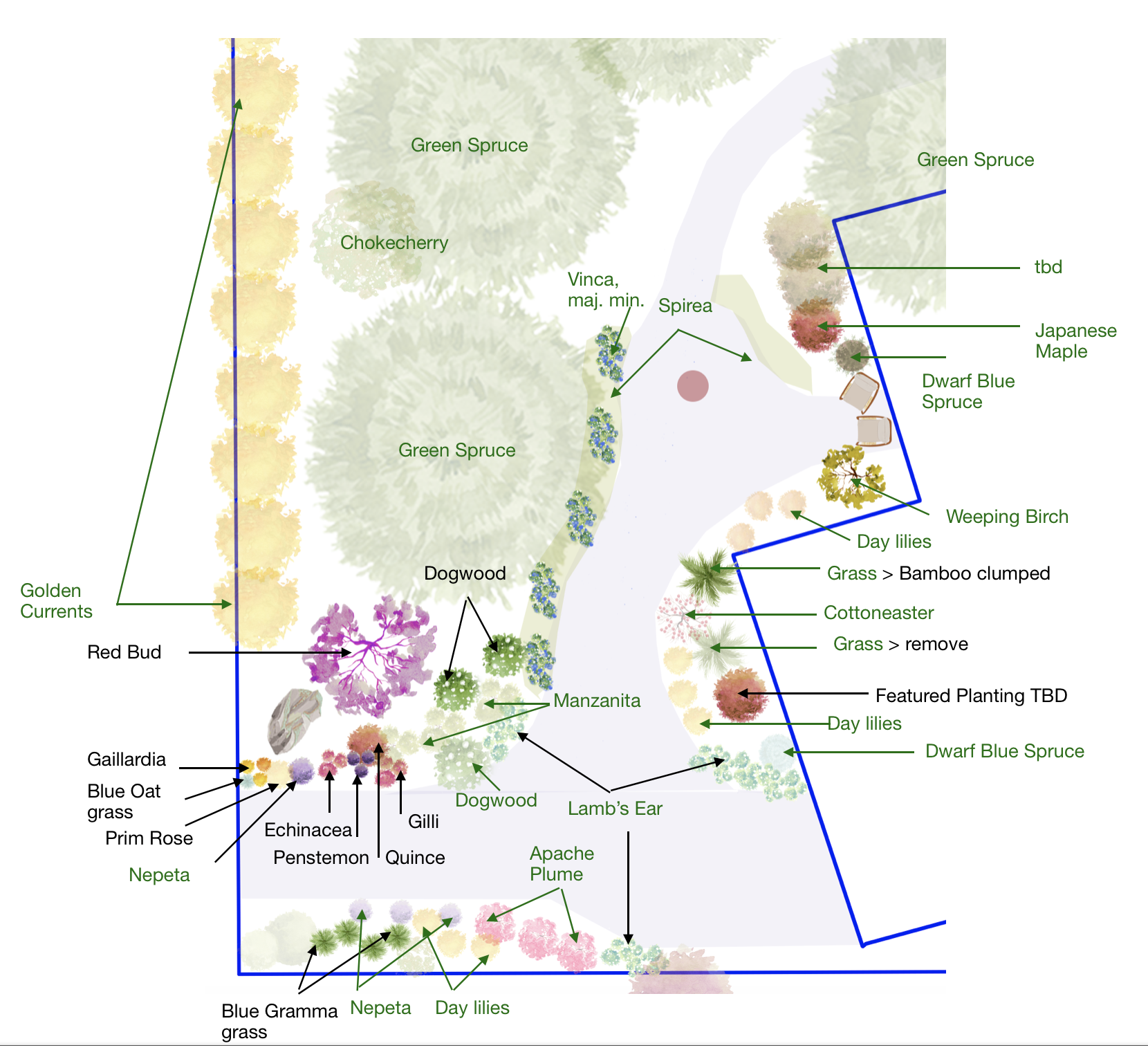
FIND your plants by picture

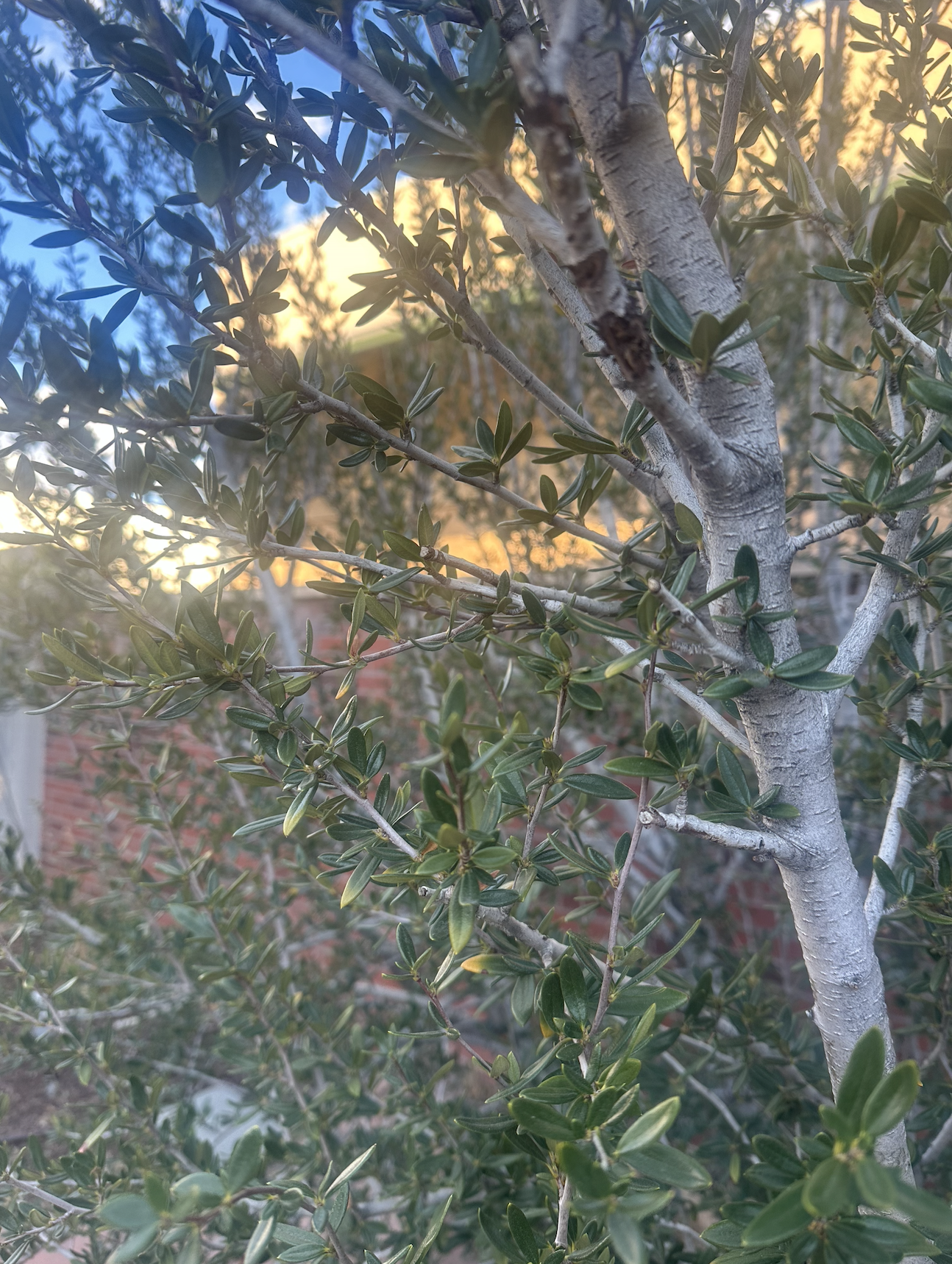
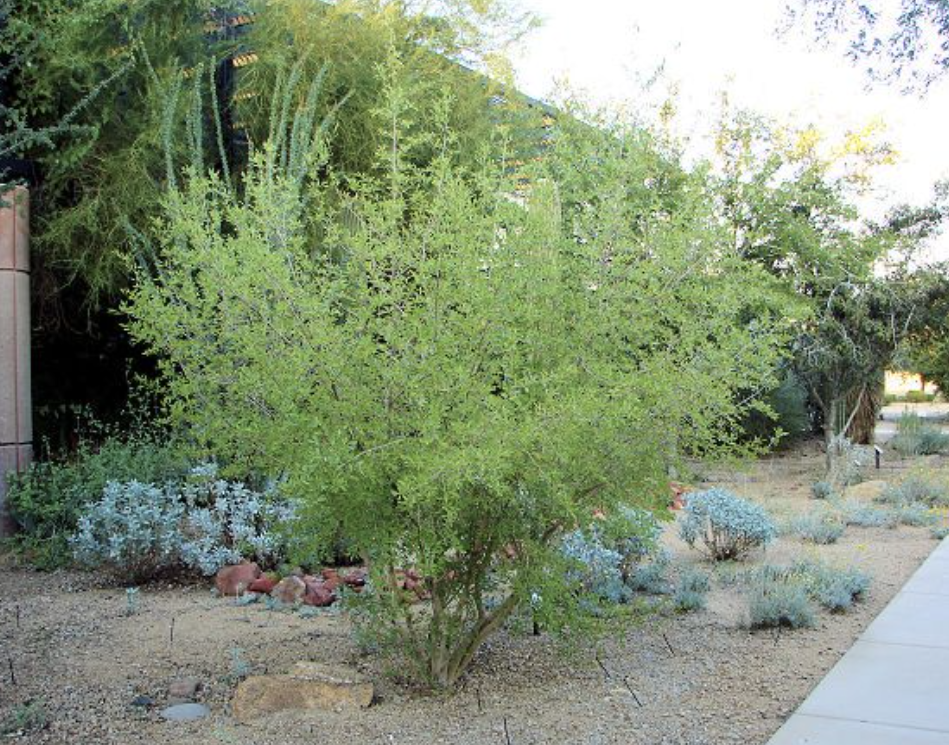


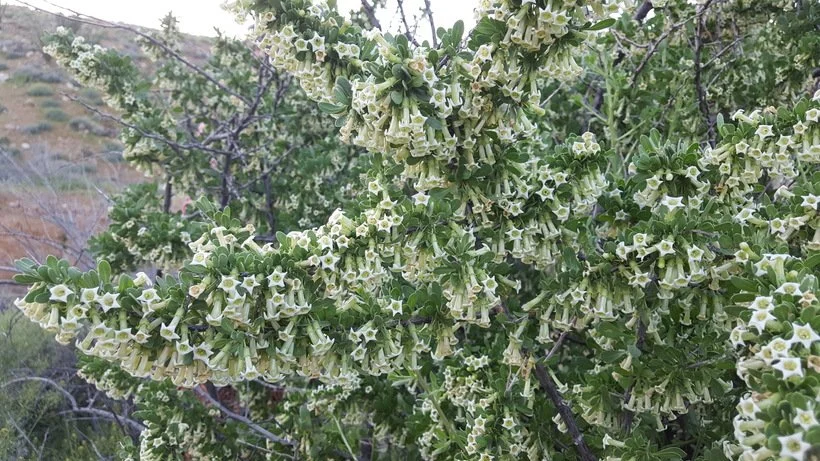
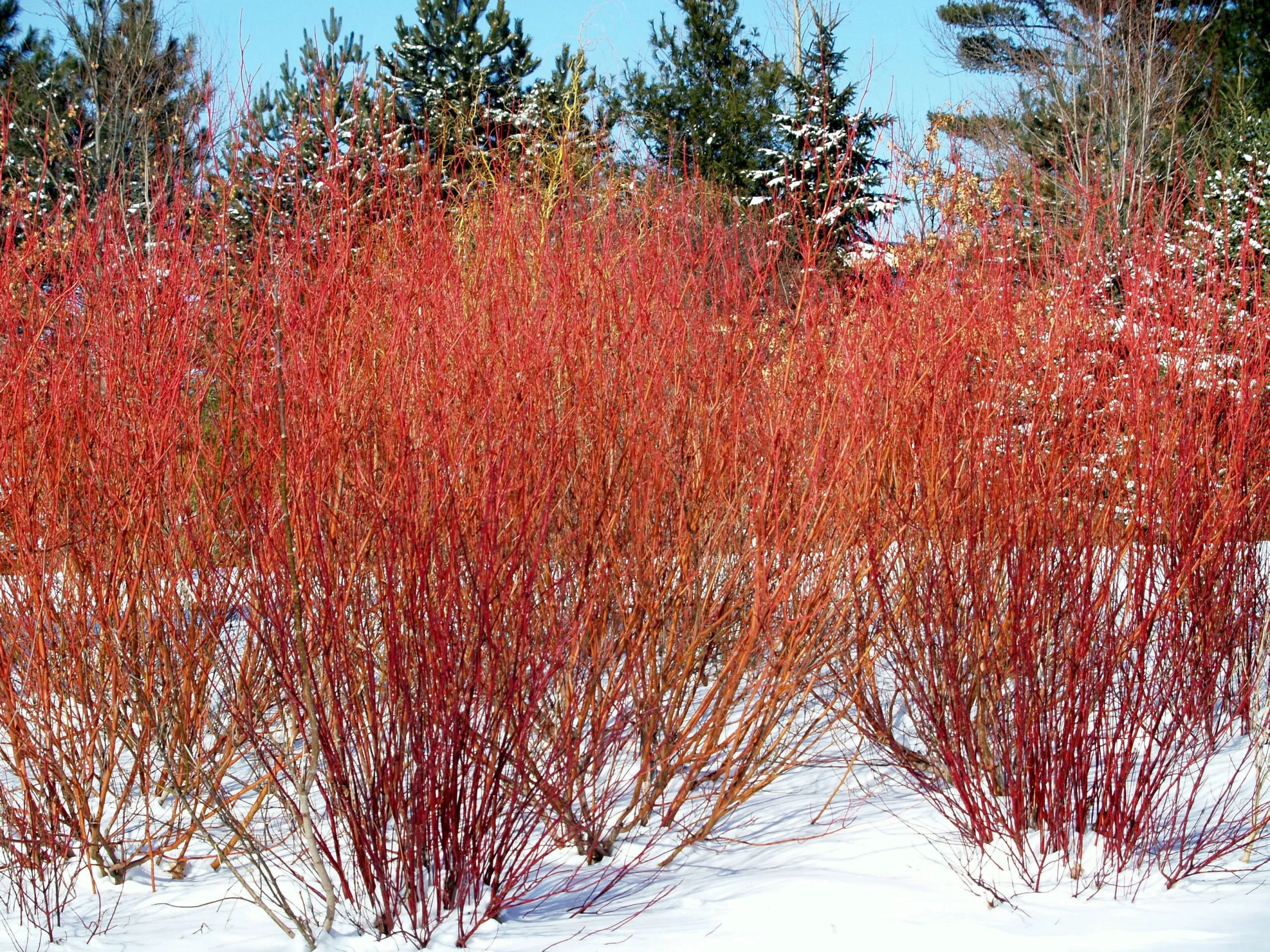


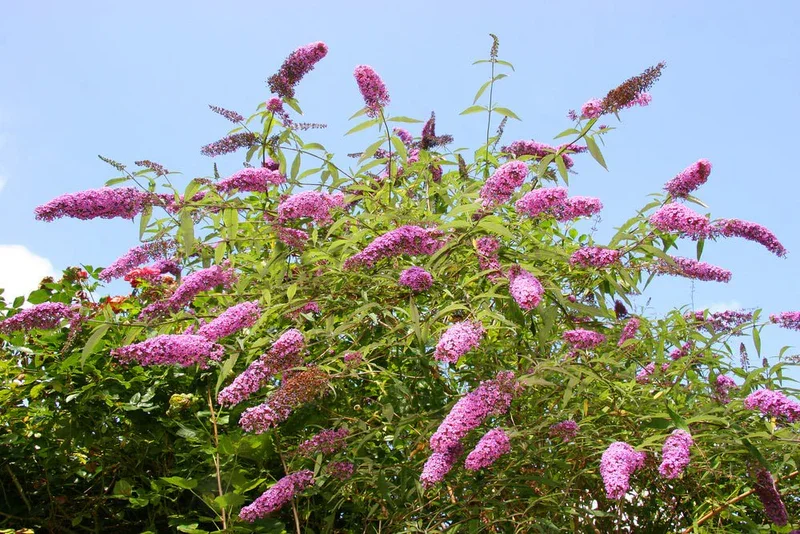
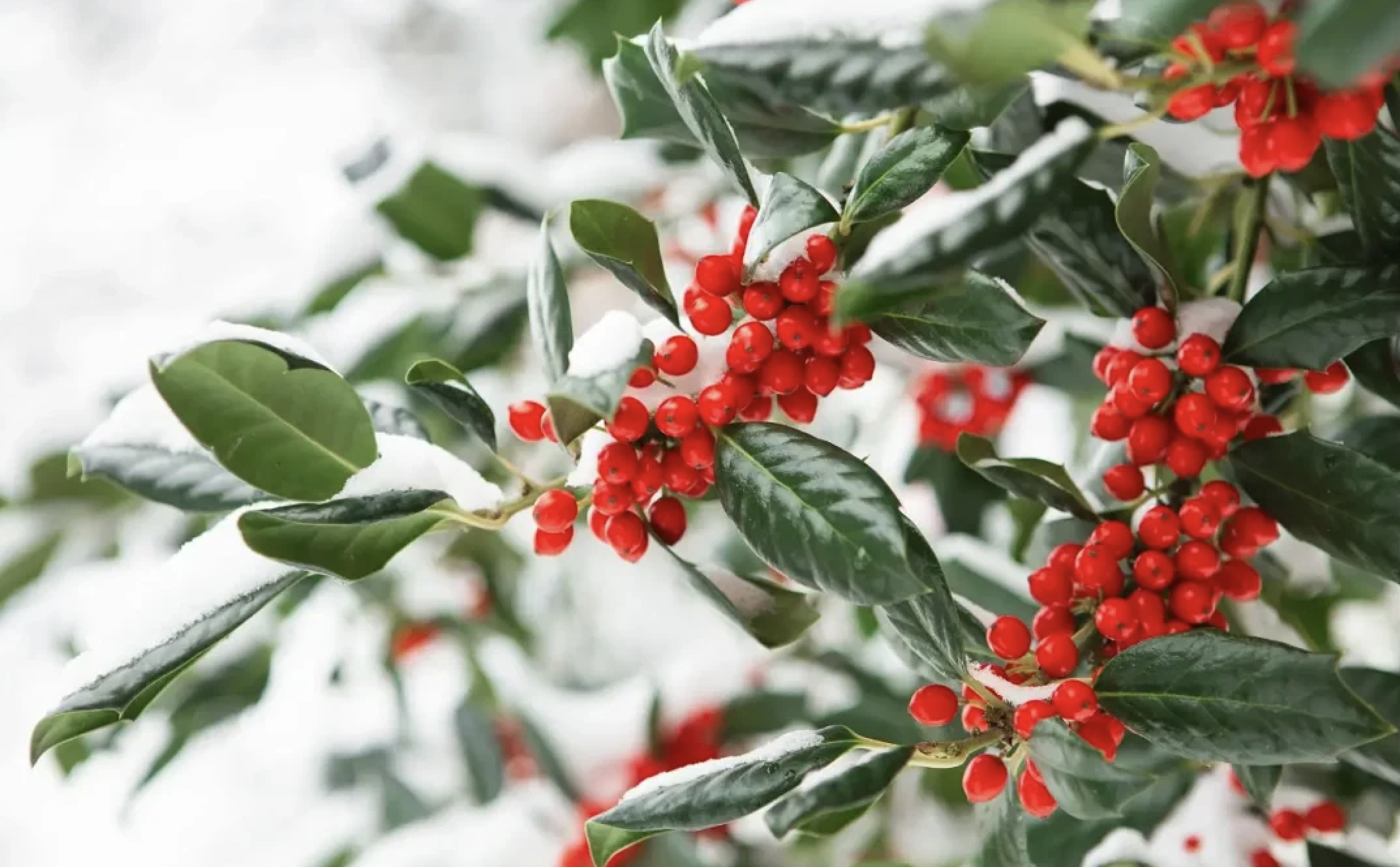

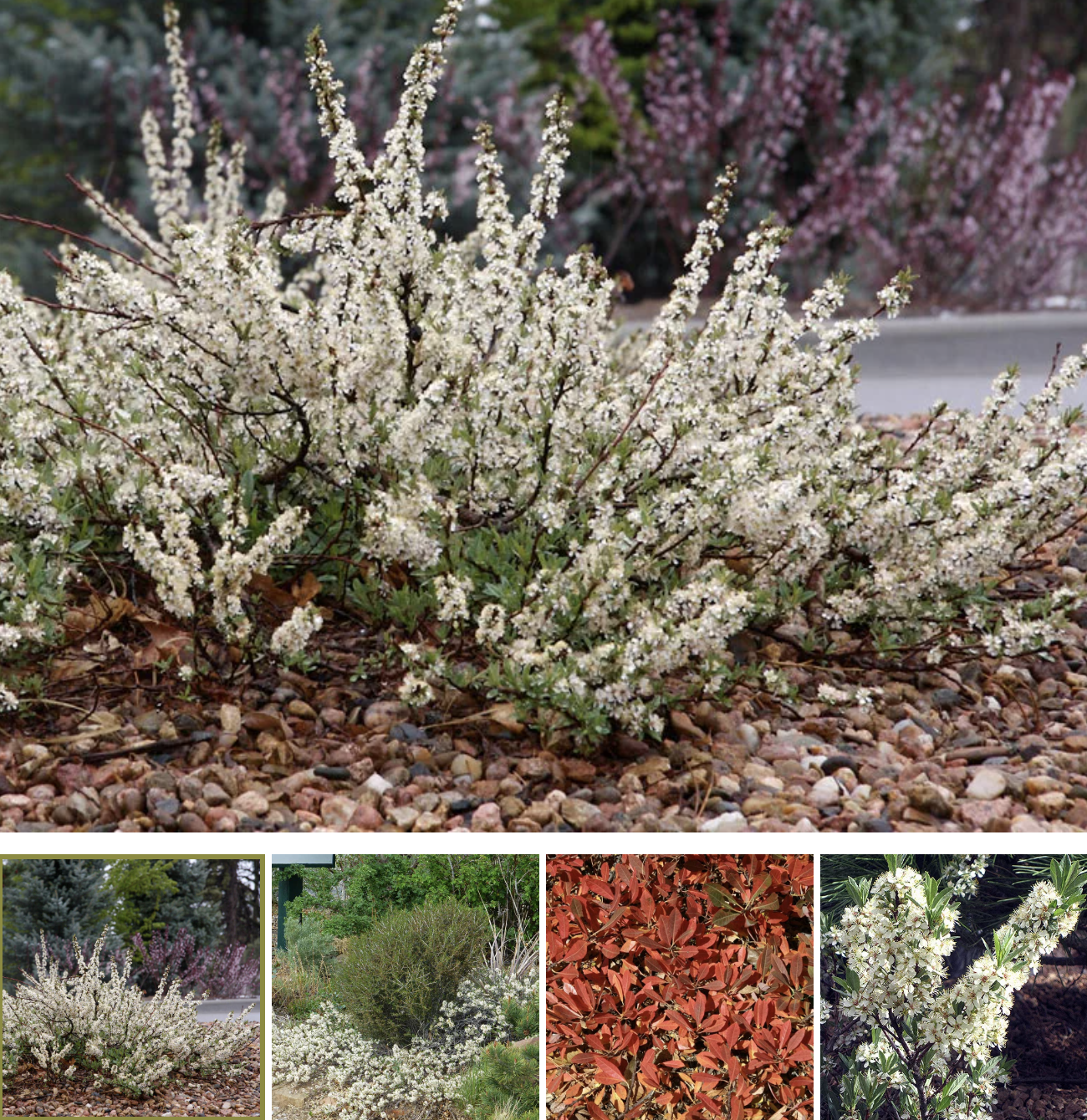
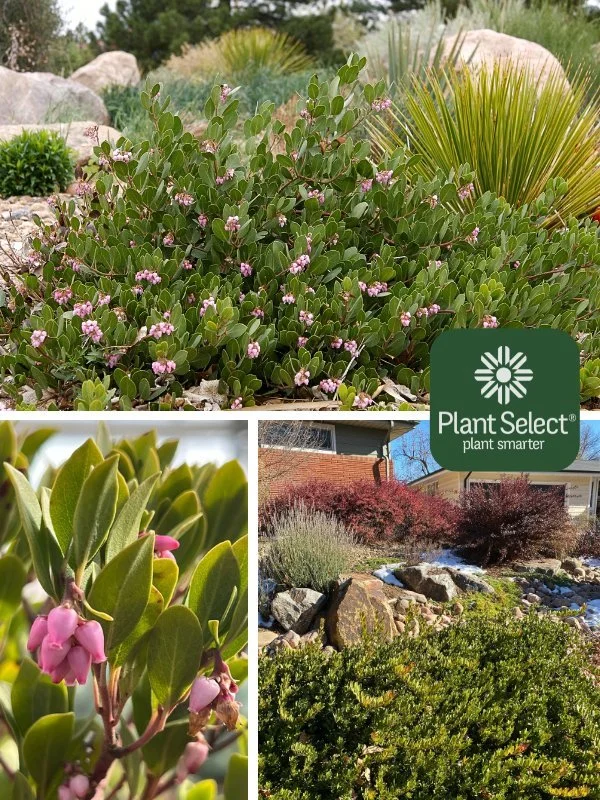


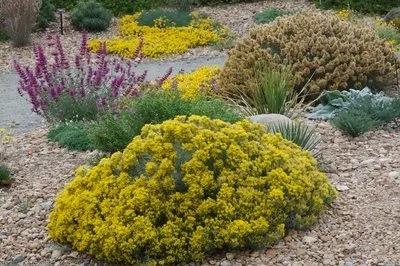


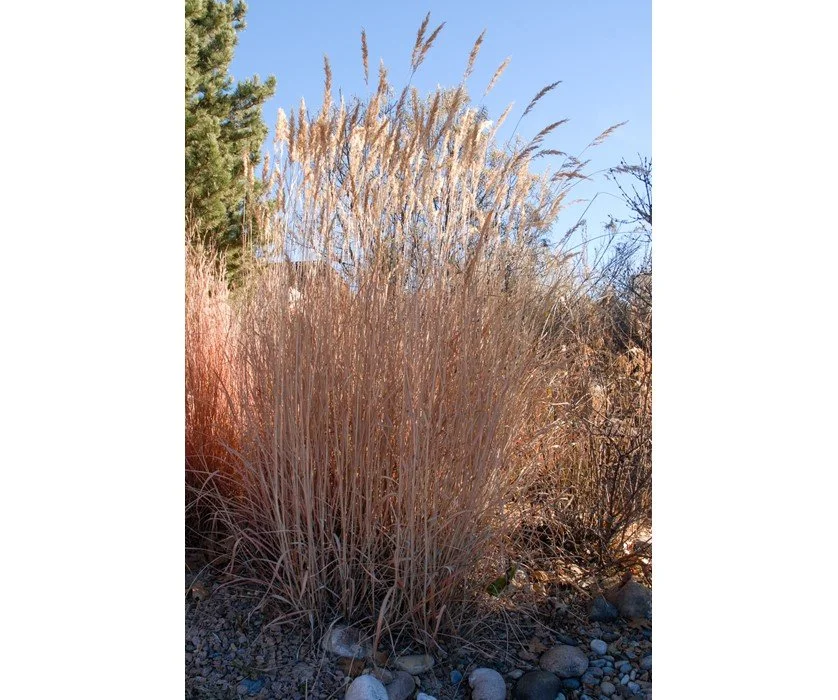


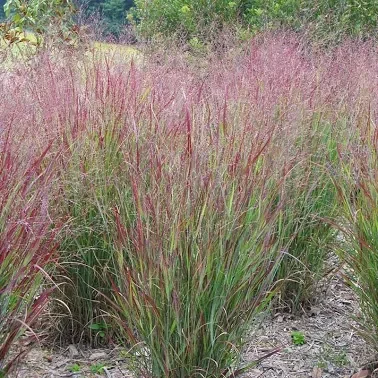


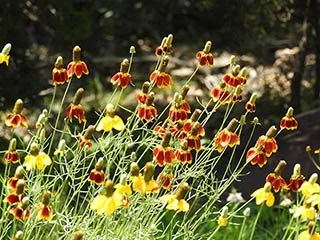
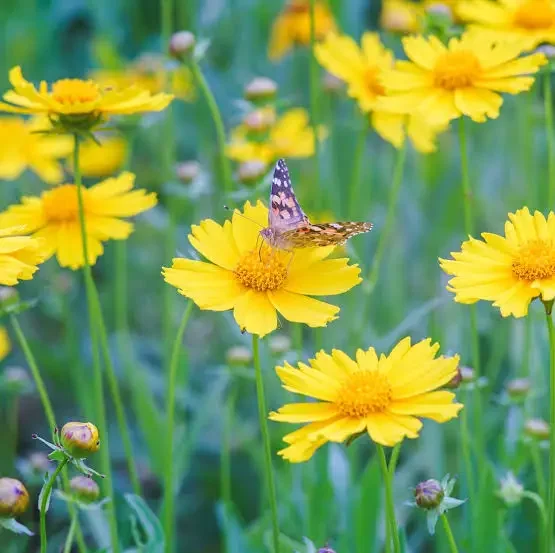


Your Plant LIST TBD
Botanical Names + Picture Gallery
CONCEPT IMAGES
LOW DECORATIVE BOULDERS CREATING BALANCED NATIVE TERRAIN
MIX OF LOW WATER NATIVES + INTEGRATION WITH EXISTING PLANTS


Materials TBD
Materials List + PICTURE Gallery
RECOMMENDED MATERIALS | QUANTITY OR SIZE | DETAILS
Find Your Materials By Picture
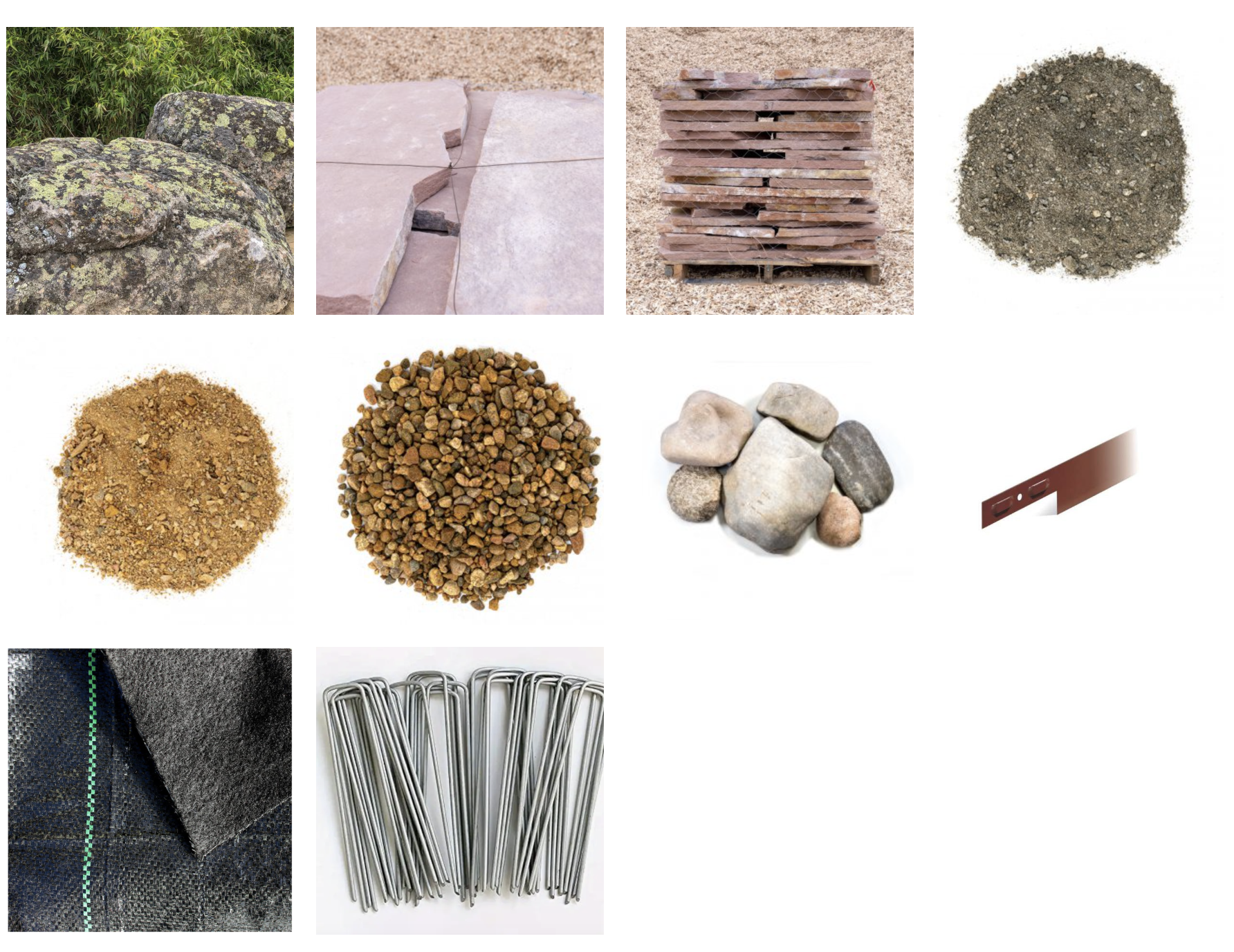
Garden 411

Top 6 Pro Tips
1) SOIL
2) GROWING
3) DIY GARDEN CARE
4) FRUIT TREE GUILD
5) Nature Walks
6) LOCAL VENDORS

How To Assess + Amend Your Soil
THE HEALTH OF YOUR PLANTS IS DIRECTLY RELATED TO THE QUALITY OF YOUR SOIL
COLORADO SOIL STRUCTURE + AMENDMENTS
WELCOME TO COLORADO: A HIGH ALPINE DESERT
The “high alpine desert” (high and dry) zone of our Colorado front range means that the soil here is typically a rocky compacted clay, deficient in nitrogen or other nutrients. The soil here has a high “alkaline” pH of 7.0 - 8.3, due to the high amount of calcium carbonate (free lime), a reflection of limited rainfall and rock weathering.
To adjust for this, here are the elements we can easily add to this soil to make it more hospitable and to support your garden’s beauty and bounty.
NOTE THAT MANY NATIVE PLANTS PERFER LESS OR NO AMENDMENT TO THE HARSH SOIL CONDITIONS. Yet in garden situations where there are adapted plants or vegetables, your soil may greatly benefit by the right help to support the ecosystem you’re planning. Every garden microclimate and design is nuanced. The right observations, recommendations, and know-how will help it thrive.
START HERE + BRING YOUR SOIL TO LIFE
In most perennial beds, after spring clean up, and before adding seeds or starts, it is highly recommend to:
1) OPTIONALLY Aerate or till the existing soil. By adequately loosening up and amending the soil, you are helping to create a more suitable environment for the plants that live there. Water and Air can move more easily through the substrate for better drainage, encouraging microorganisms to cultivate healthy root systems, which are able to transport available nutrients where needed.
In wild or more native gardens, nature’s symbiotic balance is best left as undisturbed as possible, or when growing vegetables or crops it can be difficult to apply a no-till practice such as this, so amending is a suitable alternative.
BALANCE YOUR SOIL STRUCTURE WITH THESE ELEMENTS
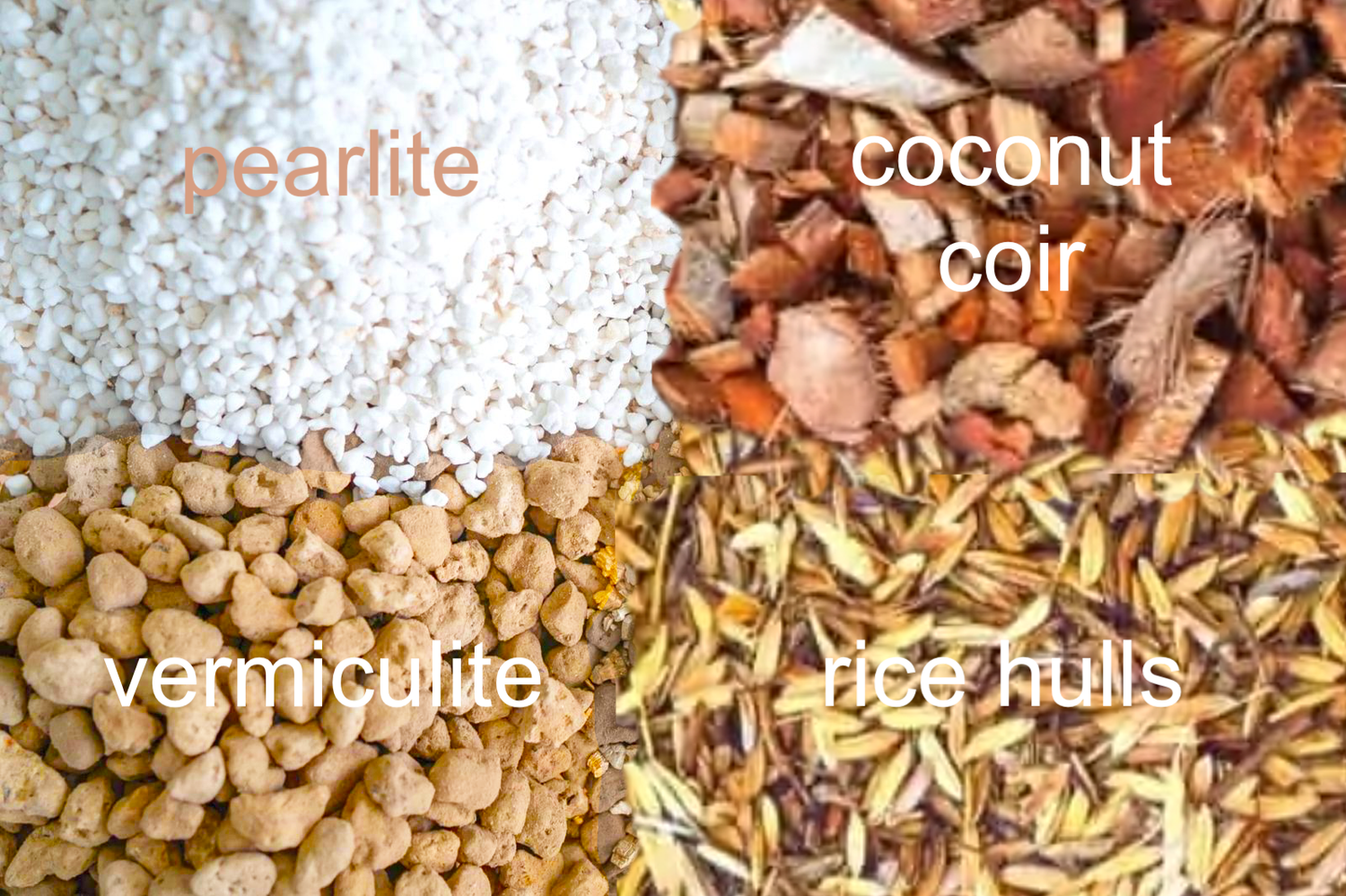
2) Add a moisture-retaining element such as rice hulls, pearlite, or vermiculite (expanded shale). If you want to support a local reseller, these are available at McGuckins. The volume needed will depend on your square footage as well as any unique microclimate influences of note.
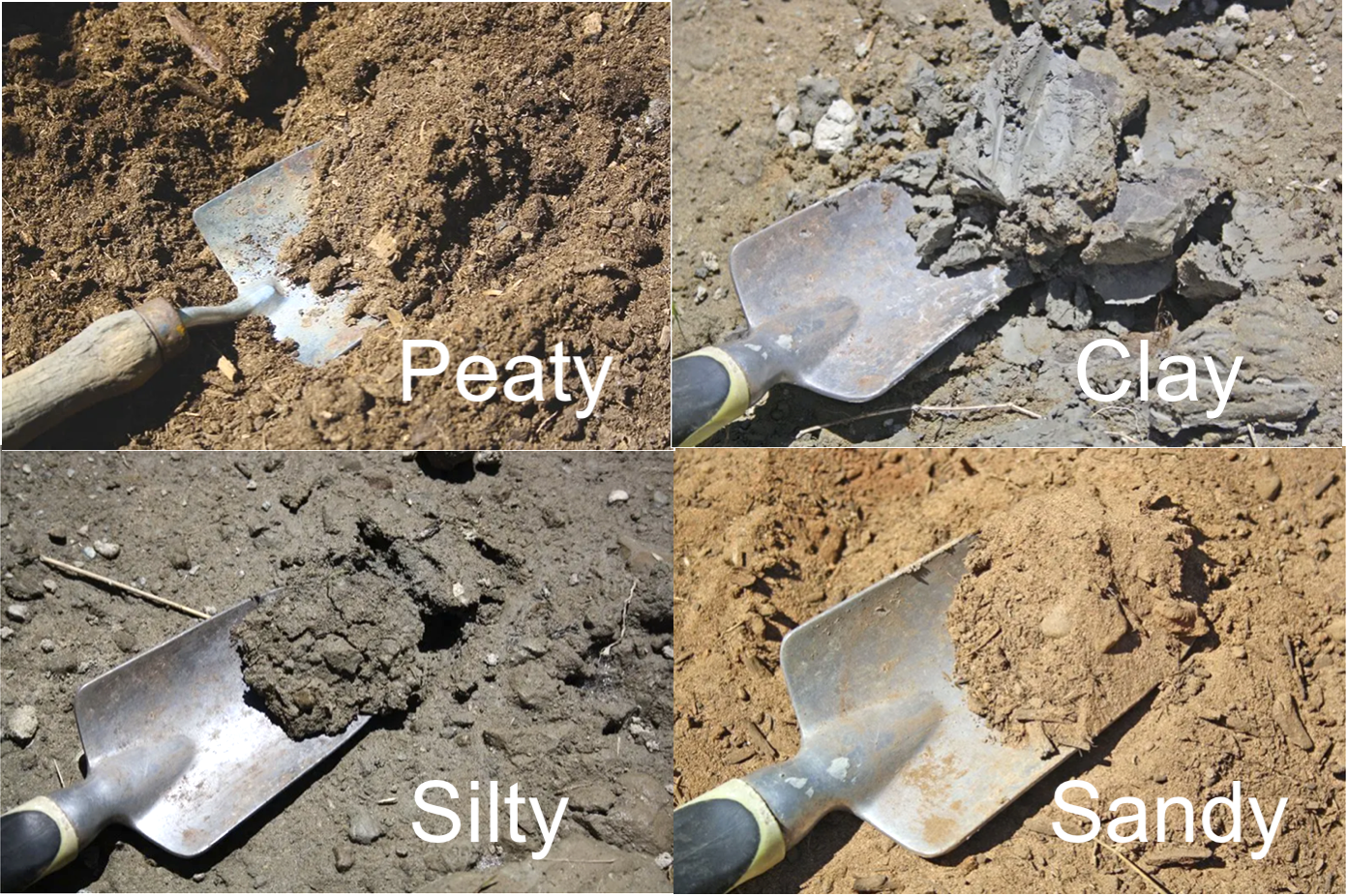
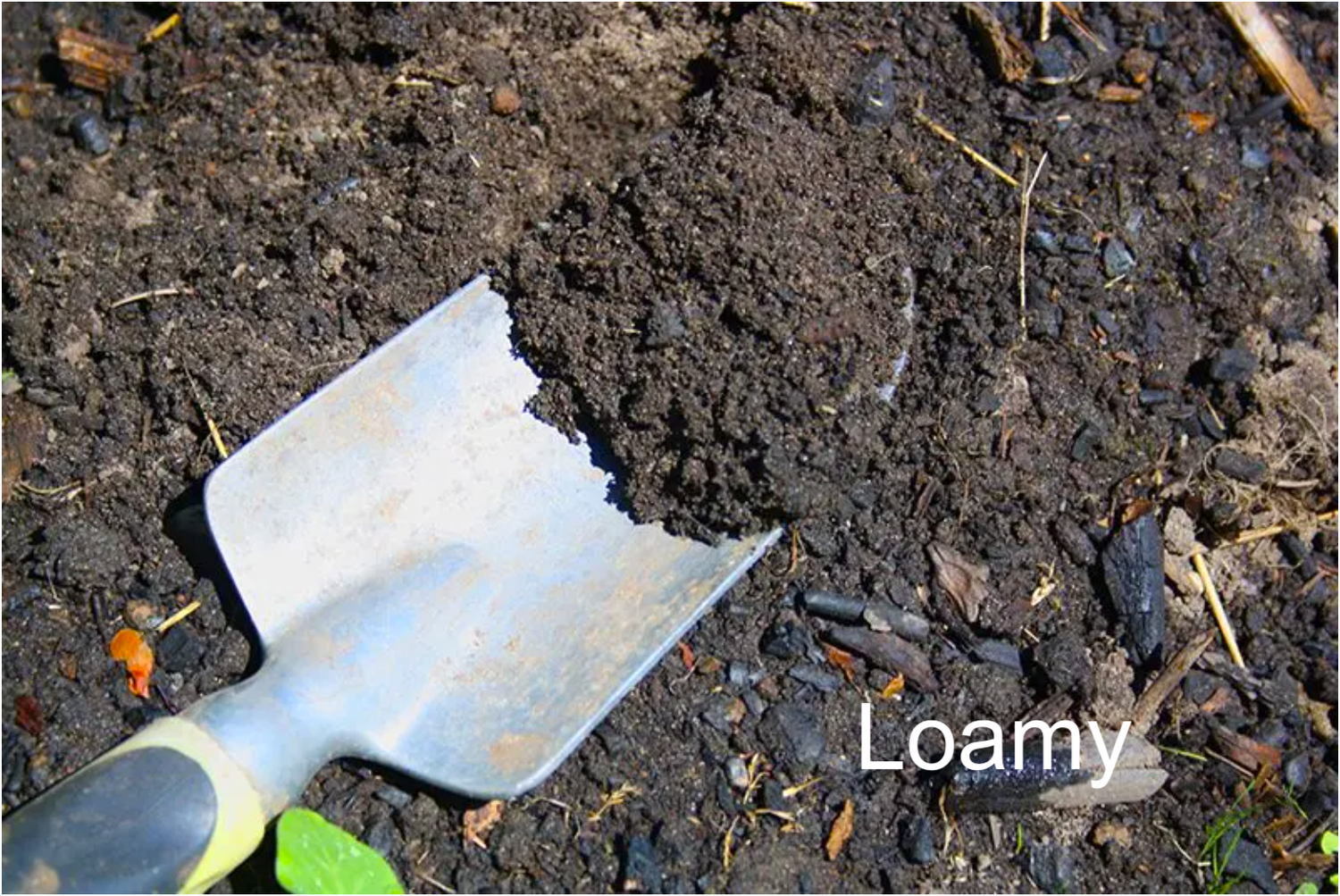
The gardener’s goal here is to create a loamy soil strucure (an equal balance of sand/silt/clay). We’re going for the “goldilock’s zone” of not too heavy, not too light, but just right, with good moisture retention. Here’s how to identify what general soil type you may be working with and how to balance it:
→ DENSE DIRT OR CLAY Most of the Front Range of CO has dense or clay dirt masquerading as soil. So, if you soil is overly dense, compacted, or has a high clay content, you’ll want to lighten it up. For this, you can use rice hulls, pearlite, and/or vermiculite. These elements act to retain moisture by wicking and dispersing, making it available to the roots in a more even distribution over a longer period. Coconut coir and spanghum moss also provide a lighter weight to the surrounding soil media thus aerating and lifting the density.
→ SANDY SOIL If your soil is too sandy or dry dusty silt, water may run through it too fast, or it may not cultivate the density necessary to support the kind of microbial activity that will truly nourish your plant roots. So you’ll want to create more moisture retention and build up the structure slightly. In this situation, coconut coir acts as a fine moisture retention element, or you could use vermiculite for even more retention. Consider removing a % of the existing media and/or adding a denser raised bed soil to bring the structure into balance.
For moisture balance, remember this general rule of thumb: Use rice hulls, coconut coir or perlite when you want better drainage and aeration. Use vermiculite when you want more moisture retention.
What’s Your Starting Soil Type?
Use Amendments To Balance Soil Structure
Here’s What A Healthy Balance Might Look Like
NEXT FERTILIZE YOUR SOIL WITH
COMPOST + NUTRIENTS
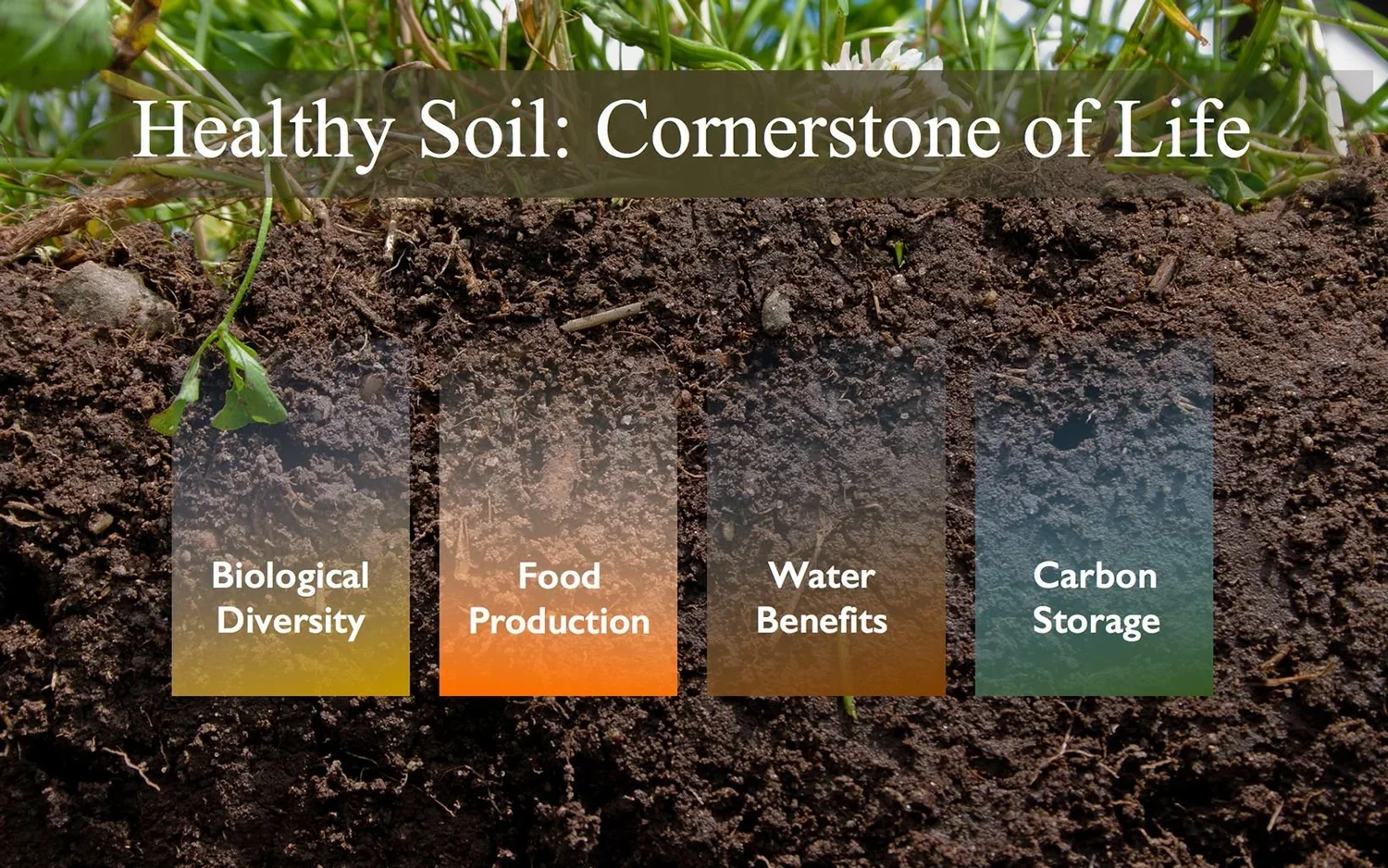
There is a difference between soil and dirt. Dirt can be any media such as sand/silt/clay, but it lacks the living microbes or fungal networks that create the ‘soup’ of life within which plant roots symbiotically thrive. Soil, on the other hand, can have a base of the same media, yet it is ALIVE, providing a living soup for such organisms. Soil has a balanced structure, density, and most importantly: the biodiversity necessary to support a living eco-system thriving within. Here’s how to build biodiversity and healthy structure into your Colorado soil:
COMPOST
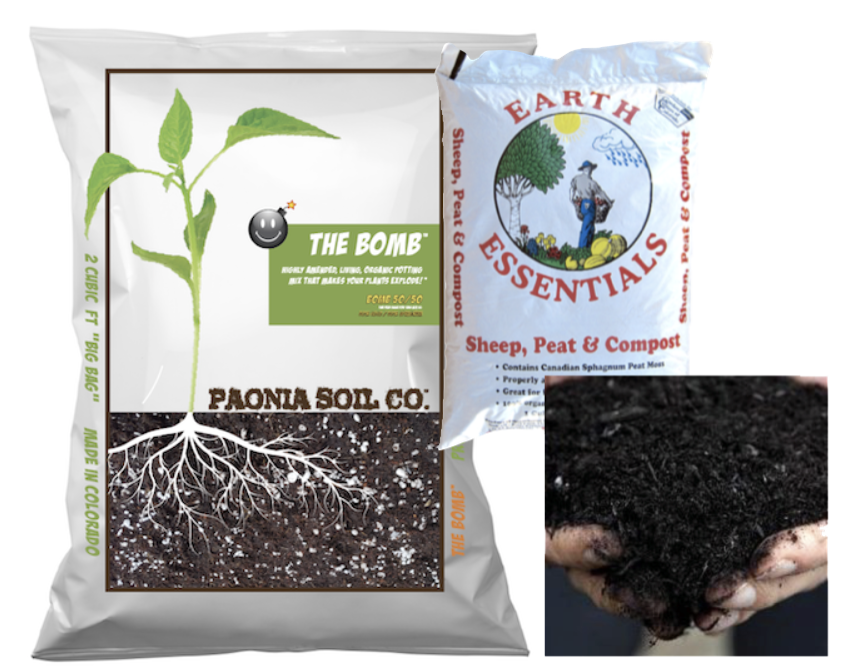
3) Add a volume of organic compost suitable for vegetable or medicinal garden use. Start by adding a layer to the top of the exposed soil and then mixing it in. Great composts to use can be anything from Alpaca or Chicken poop from your local farm (make sure it’s not too “hot”), to bagged compost. Here are our recommended bagged planting soil blends, available at local suppliers such as McGuckins:
• The Bomb — by Paonia Soil Co
• Sheep ‘n Peat — by Earth Essentials
• Ocean Forest — by Fox Farm
FERTILIZERS
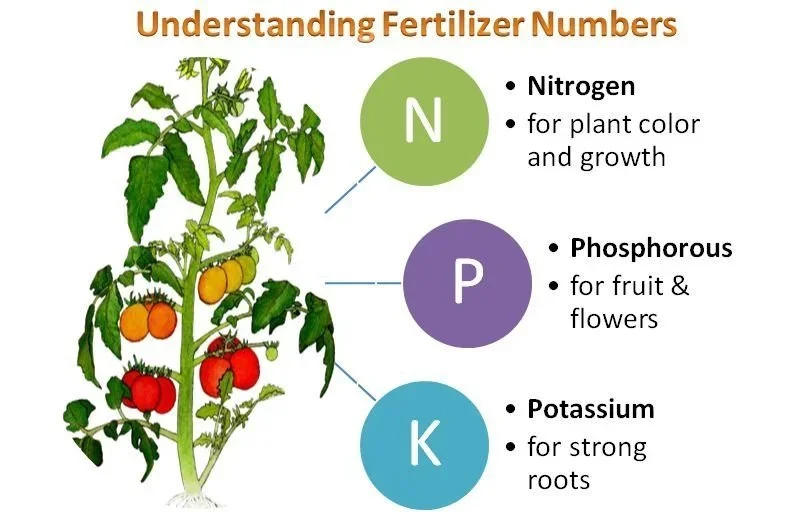
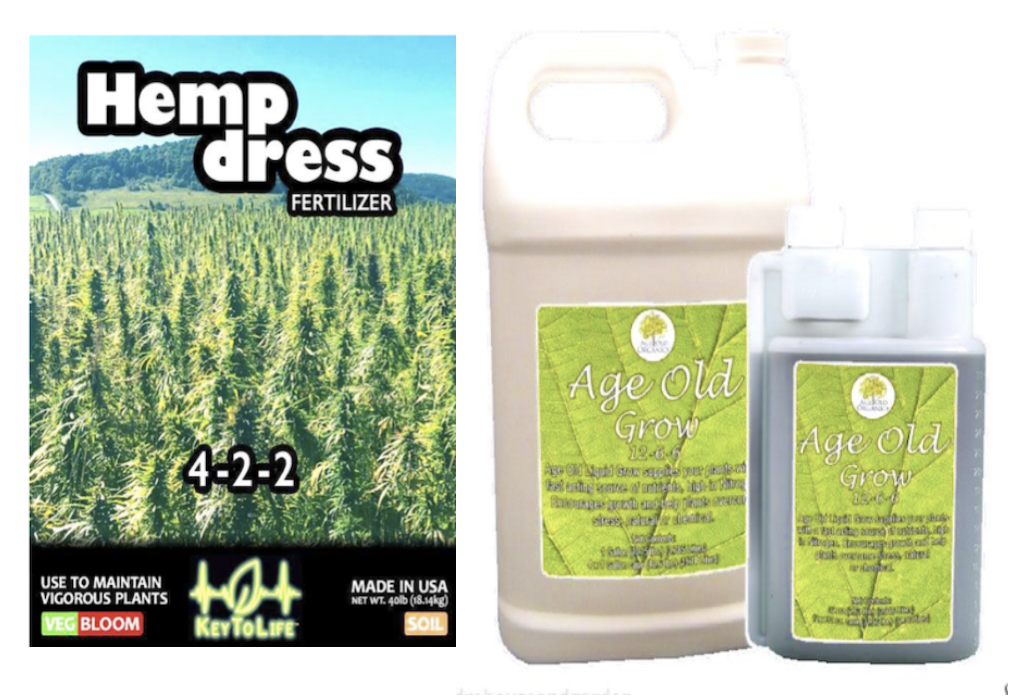
4) Add nutrients that help plants grow. Your typical fertilizers will have a blend of Nitrogen—Phosphorus—Potassium (N-P-K). Together these provide a spectrum that meets plant needs. You can also add other natural elements such as worm castings, bat guano, fish or kelp emulsion, blood or bone meal. Keep in mind that each of these has their own ratio, so make sure it’s what your plant needs before applying. We recommend the following brands:
• Root | Grow | or Bloom — by Age Old Organics
• Hemp Dress — by Key To Life
BOOST SOIL BIO-DIVERSITY
5) Add mycorrhizae (a fungus that grows in association with the roots of a plant) for help with nutrient uptake to help plants and ecosystem grow. Establishing this root-based systemic network is essential in that it helps plants attract and absorb nutrients from the surrounding soil that its roots alone would not be able to draw up. It’s like ‘nature’s wifi’— helping connect the neighborhood bio-chemically through the soil. Nature takes time to build this, and we can help speed it up by introducing the mycorrhizae.
• Mycorrrhizae — by Big Foot
ADD WATER SLOWLY AS YOU MIX YOUR SOILS
6) Slow water. Let the amendments soak down with slow watering (to avoid fast runoff) before planting. Soaking, rather than spraying, will give your soil time to sink in and begin to come to life. Make sure the water soaks deeply down and doesn’t just sit in the top few inches of your soil.
PLANT YOUR SEEDS + STARTS
7) Now your seed and starts are ready to be planted. By nurturing the soil before planting, you increase the success rate of your introduction, robustness, and longevity of your new plants, as well as contribute to a healthier ecosystem.
Additional Natural Products
CLICK HERE FOR A FULL LIST OF RECOMMENDATIONS
for horticultural and vegetable gardens
❖
YOUR DIY Continues WITH OUR
❖ Monthly Membership ❖

What To Do As Your Plants Grow

Watch Others Do It + Then Try It Yourself
We Suggest The Following YouTube Channels As You Learn The Art/s OF
(Unaffiliated)


Better Your Garden Game!
√ Get A Hand Getting Started With A 2 Month Pack
√ Meet Up Monthly To Garden Together DIY


Pick Plants That Support Your Trees: Fruit or Deciduous


Local Nurseries + Vendors


Local Farms + COMMUNITY Gardens + EVENTS

BOTANICA FESTICAL OF PLANTS — LAFAYETTE
JUNE 27 & 28TH 2026
Find your seeds or plant starts here, as well as tools, materials, and more! We’re pleased to share the health and the wealth of opportunity among these associations from our many professional and social circles. Eco Gardens by Rebecca makes it our goal to stay as consistent as possible with the larger picture holistic ecological values for plants, people, and our planet. Thank you for your commitment to sourcing biodynamic or organically grown plant species or varieties, soil, or other sustainably sourced, recycled, or re-usable products.