805 Superior Drive
Yardscape Refresh
JUMP TO EACH SECTION BY USING THESE QUICK LINKS:
PROJECT SUMMARY + TEAM | SCHEDULE | DESIGN | MATERIALS | PLANTS | RESILIENCY REQS | SUSTAINABILITY CHECKLIST
Project Summary
LOCATION
Heights at Downtown Superior | Downtown Superior Subdivision (Toll Brothers)
XERISCAPE PLAN
Saves resources, time, and money on an existing front yard garden with low water use drip irrigation, rock, and minimal xeric plants to replace and fill in gaps in existing garden. Features a Dry Creek with clean lines and accent rocks for aesthetic appeal within the 5 foot defensible zone, and introduces a low risk native plant theme for appropriate all season blooms.
Team: LOCAL LAND COLLECTIVE
PROFESSIONAL LANDSCAPE DESIGN ❖
PROFESSIONAL INSTALLATION ❖
Eco Gardens by Rebecca, LLC
Project Planning + Design
A Good Earth Maintenance, LLC (AGEM)
Installation of Hardscape, Softscape, and Irrigation
Schedule
✔ Hardscape to be completed: November 2026
✔ Softscape to be completed: Spring 2027
OCT
WEEK 3 (26 - 30th)
✔ Finalize Design + Submit for HOA Approval
NOV
WEEK 1-2 (02 -13th)
✔ Receive HOA Approval + Schedule Labor for Hardscape
SPRING 2027
SCHEDULE TBA
✔ Sourcing + Installation For Plantings and Irrigation
GOAL = Completed
Design
DECORATIVE ROCK + APPROPRIATELY ZONED LOW WATER USE PLANTINGS
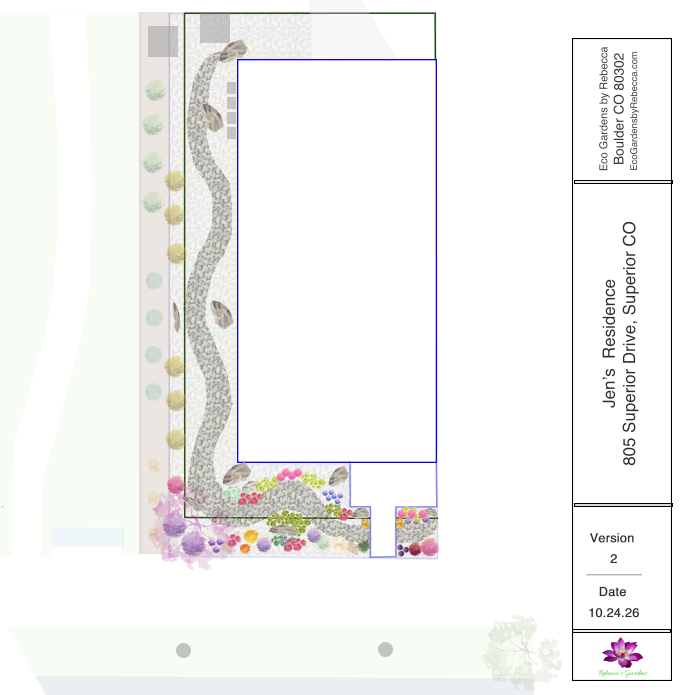
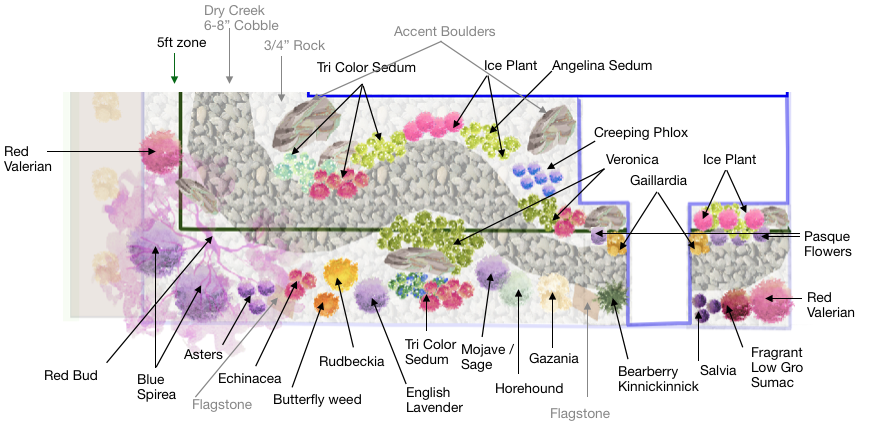
FRONT YARD
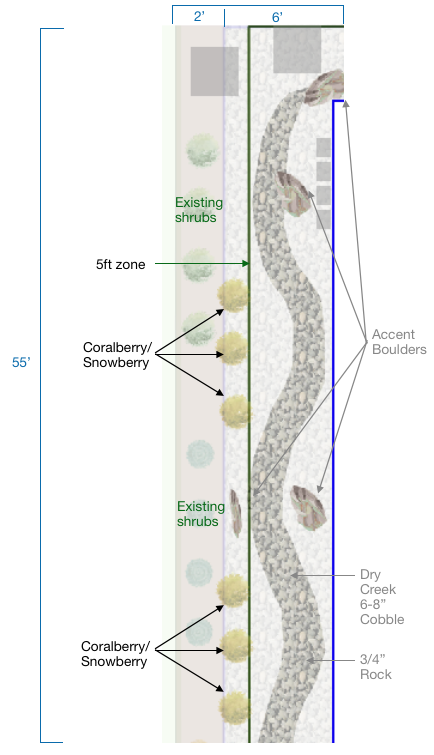
SIDE YARD
Material List
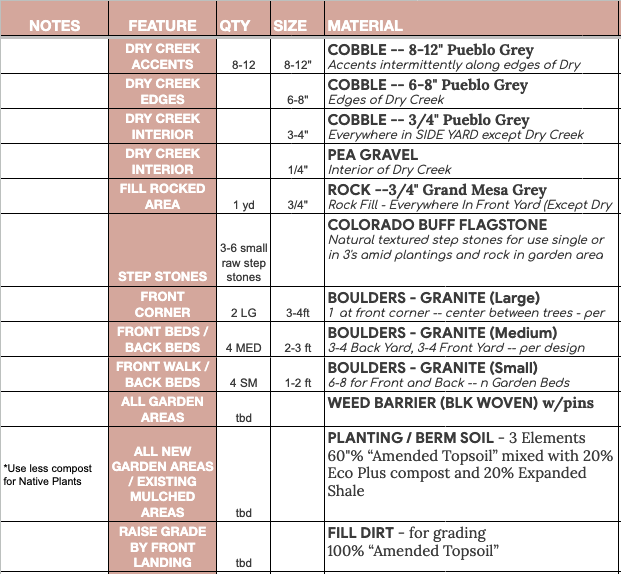
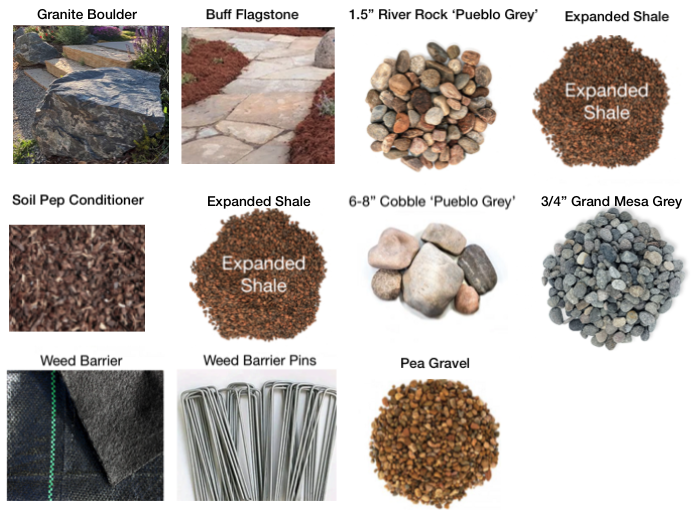
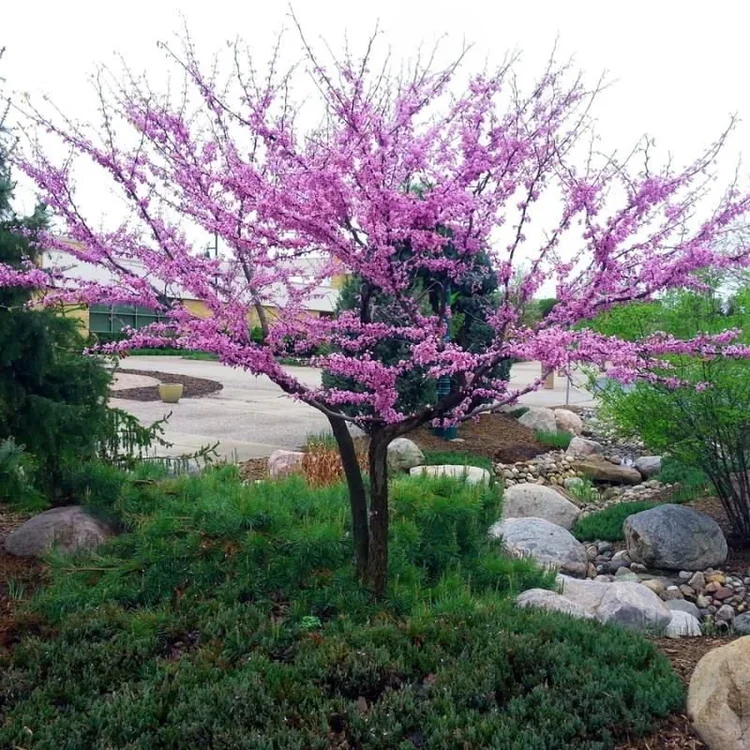
Plant List
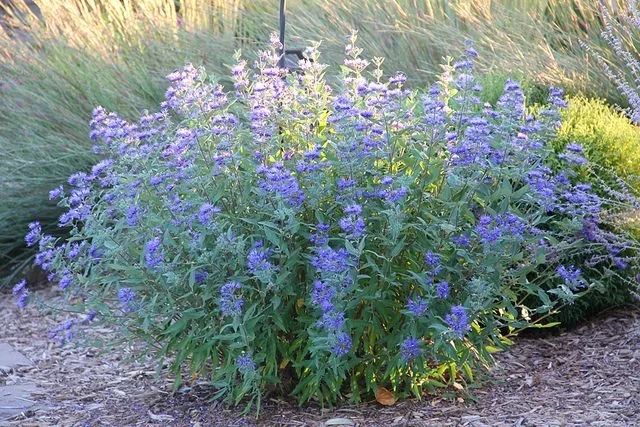
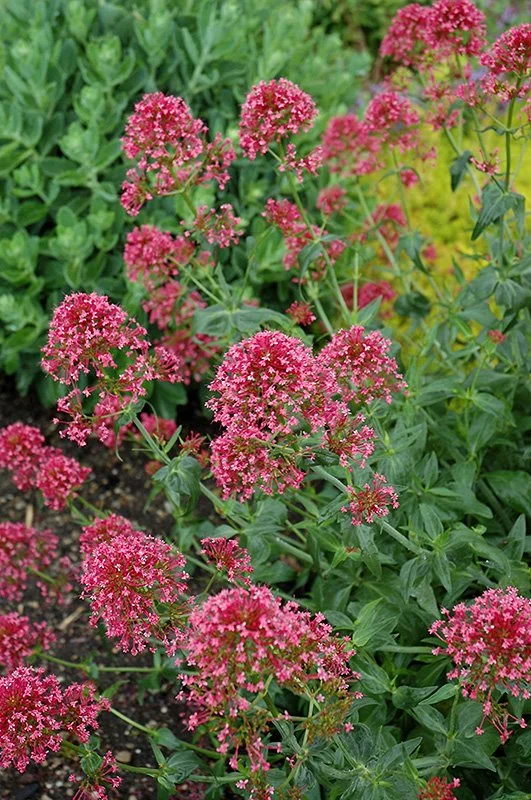
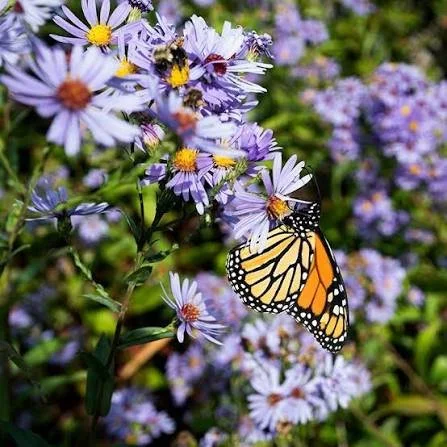
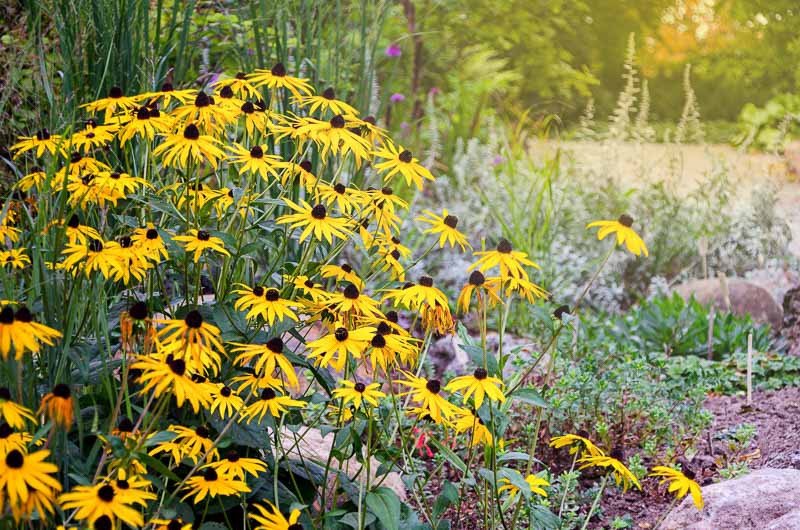
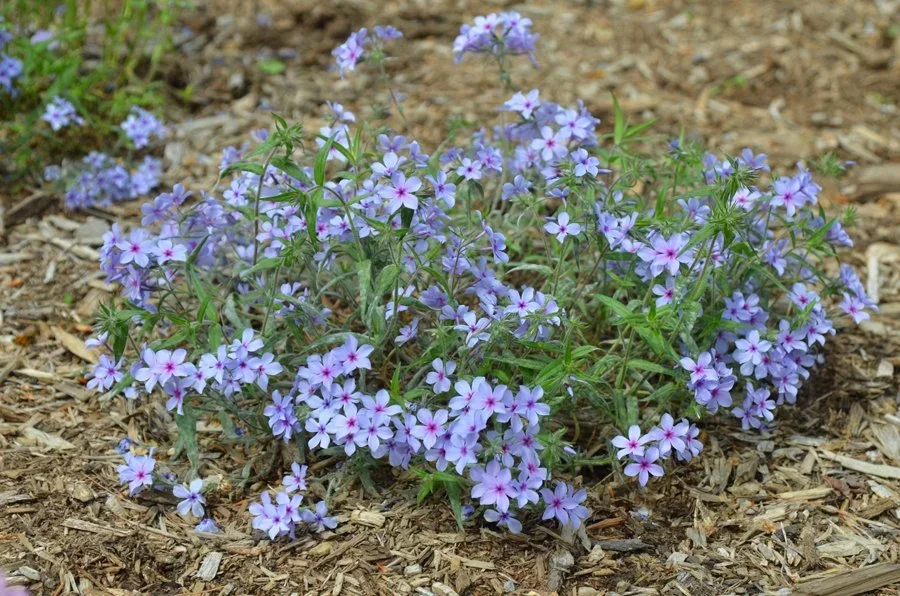
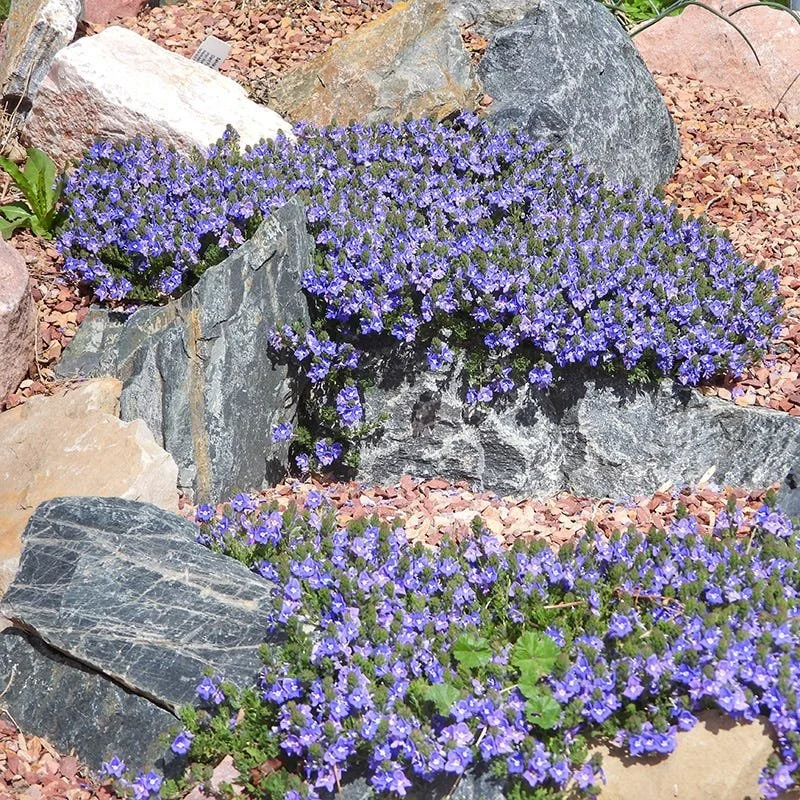
FIND your plants by picture
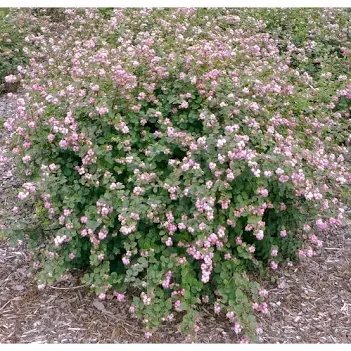
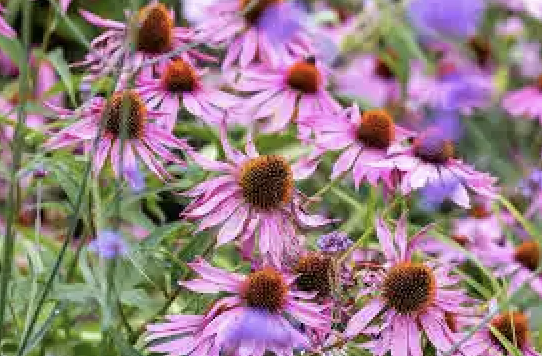
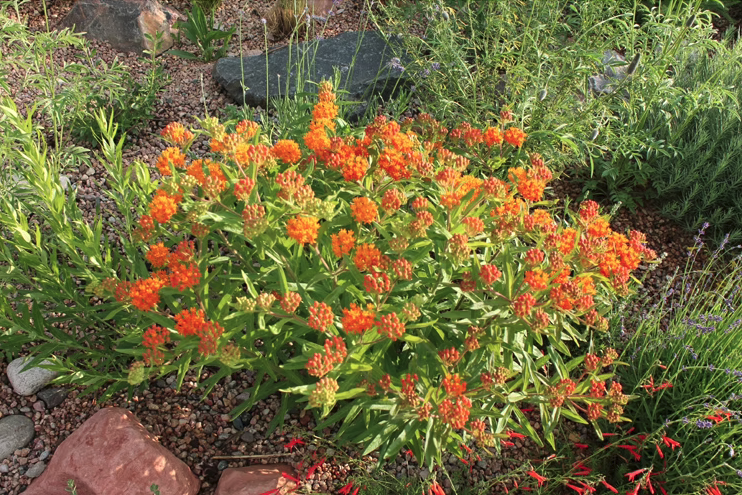
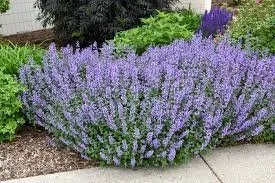
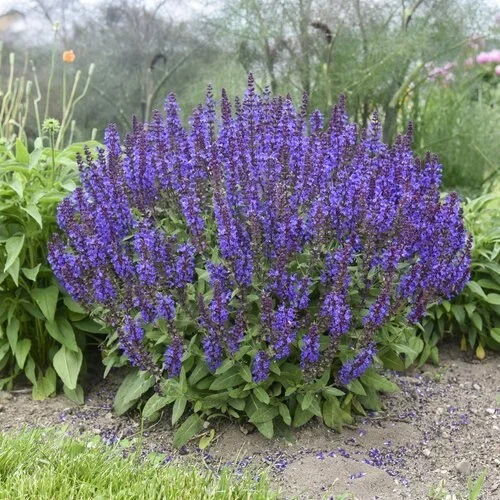
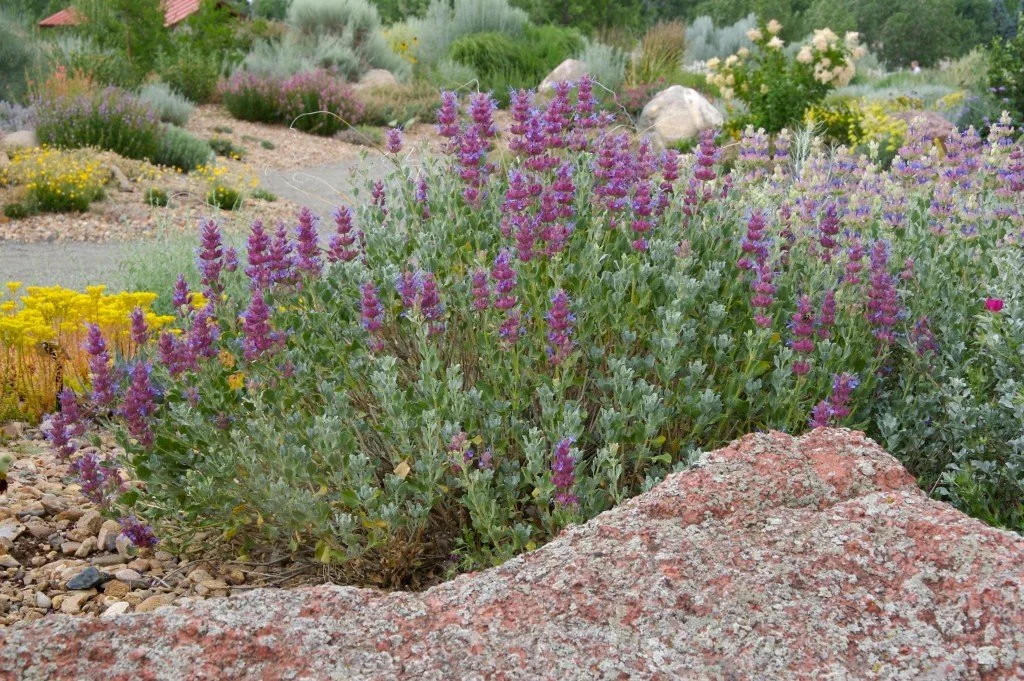
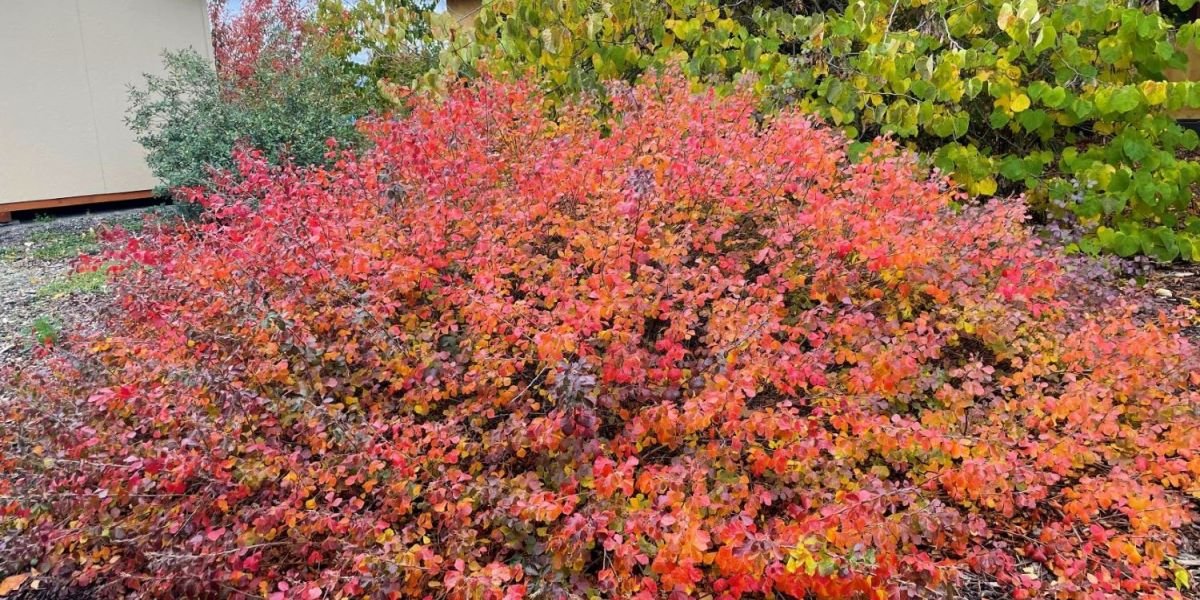
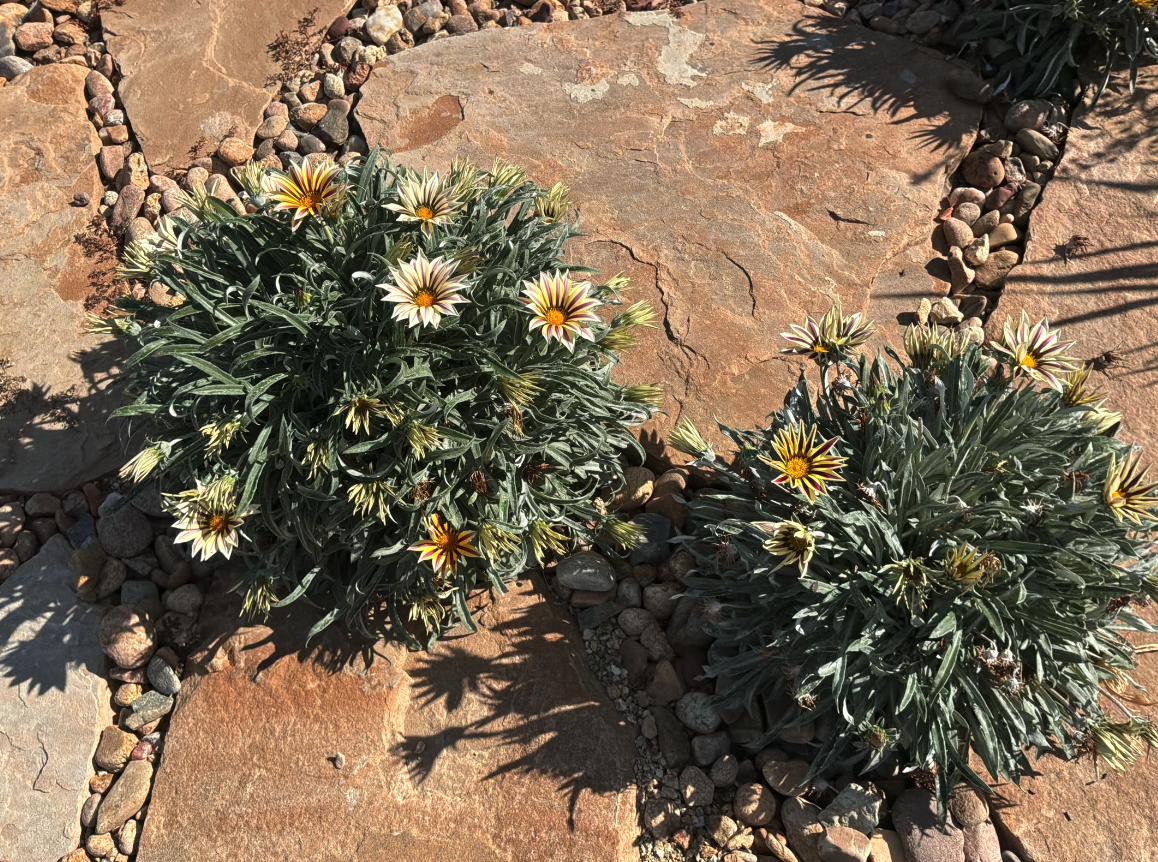
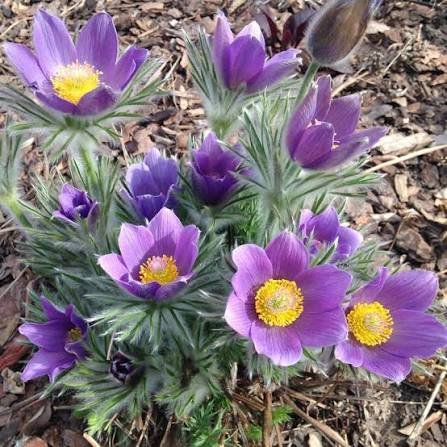
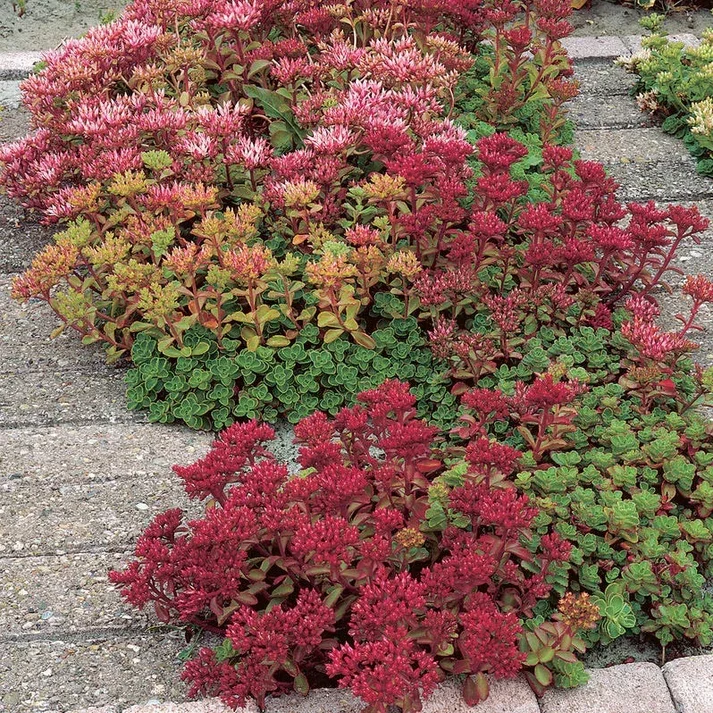
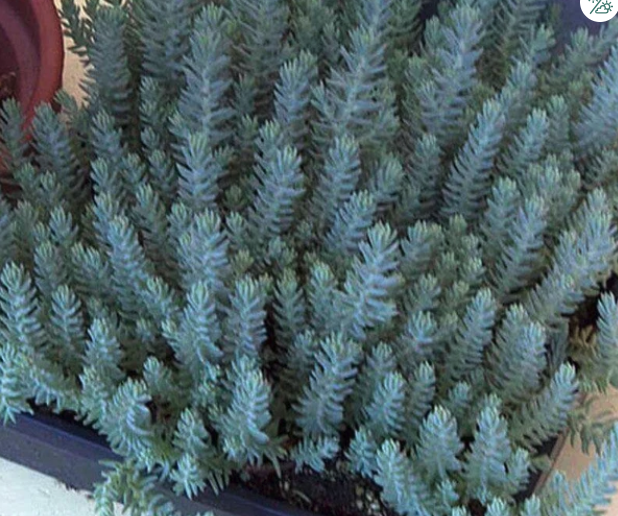
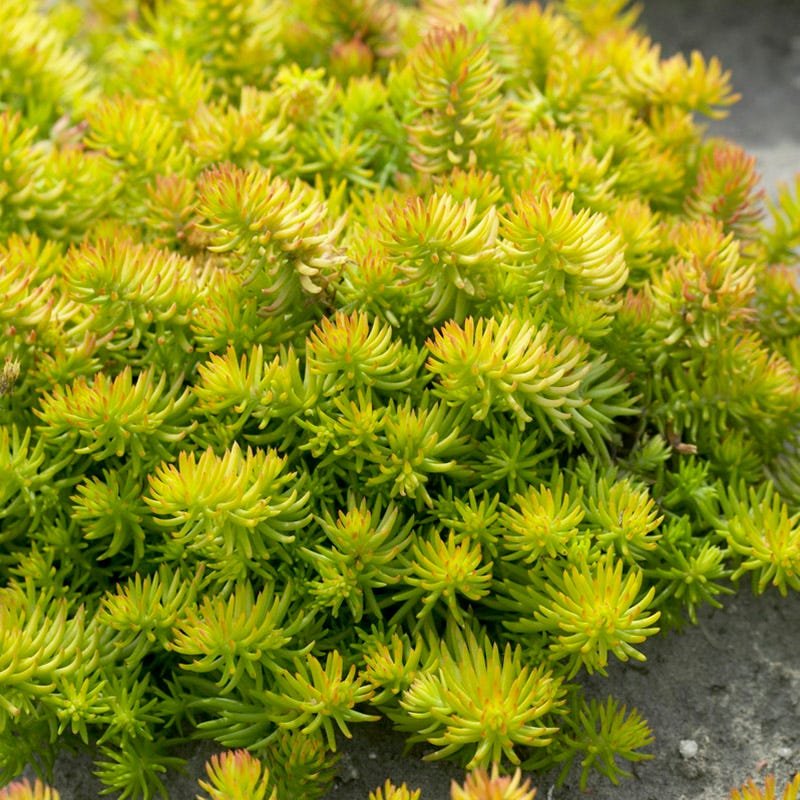
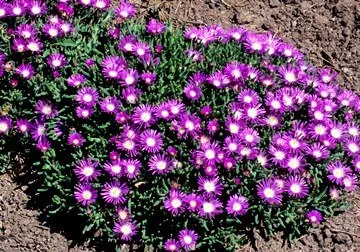
Resiliency code Requirements
One Regional Vision, Two Matching Frameworks
Based on a foundation in wildfire science, risk-tiered spatial management (zones), and regional consistency, both the
Town of Superior’s Colorado Wildfire Resiliency Code (CWRC) and Boulder’s Wildland-Urban Interface (WUI) Code align to help lower fire risk.
✅ See check marks below for risk management requirements met for this project:
LOW RISK
✅ Low-Flammability Plant Characteristics
Recommendations on this list are based on a methodology developed by Idaho Firewise in Boise, Idaho. The methodology rates the flammability of plants based on specific characteristics ranked on a scale of 0-10 with 0 the most flammable and 10 the least flammable. To create the highest degree of protection for structures, the recommendation is to plant only plants with scores of 8, 9 and 10 for zone 1, or within the first 5 feet of the structure.
Attributes that decrease flammability
Low oil or resin content
High moisture content
Soap, latex or pectin content
Compact growth form
Green stems
Drought tolerant
PLACEMENT
Best guidelines for planting within 5 ft of the house:
1. Accepted Materials
✅ Yes Soil + Rock: Use Stone, River Rock, Pea Gravel, and Boulders to create a pleasing aesthetic that minimizes plantings in this area.
❎ No Mulch: It is recommended to refrain from using shredded wood bark, wood chips, or cedar mulch inside this area. According to the mitigation guidelines, should embers land nearby, wood mulch may easily ignite right next to your home.
2. Highly Specific Plant Selection
✅ Ideal Plants: Heavily irrigated low-growing ground covers, succulents, or fire-wise choices matching the Colorado State University Extension Firewise Plant Guide (typically plants with a flammability rating of 8, 9, or 10).
❎ Not Recommended: Perennials over 12”, woody, resinous plants, nor especially small evergreen shrubs (like dwarf junipers or arborvitae).
Sustainability Checklist
SEE WHAT’S IN USE ON THIS PROJECT : AVAILABLE FOR LOCAL HOMEOWNERS, NEIGHBORHOODS, AND COMMUNITY GARDENS
HEALTHY LOW MAINTENANCE ECO SYSTEM
Site Smart Planting
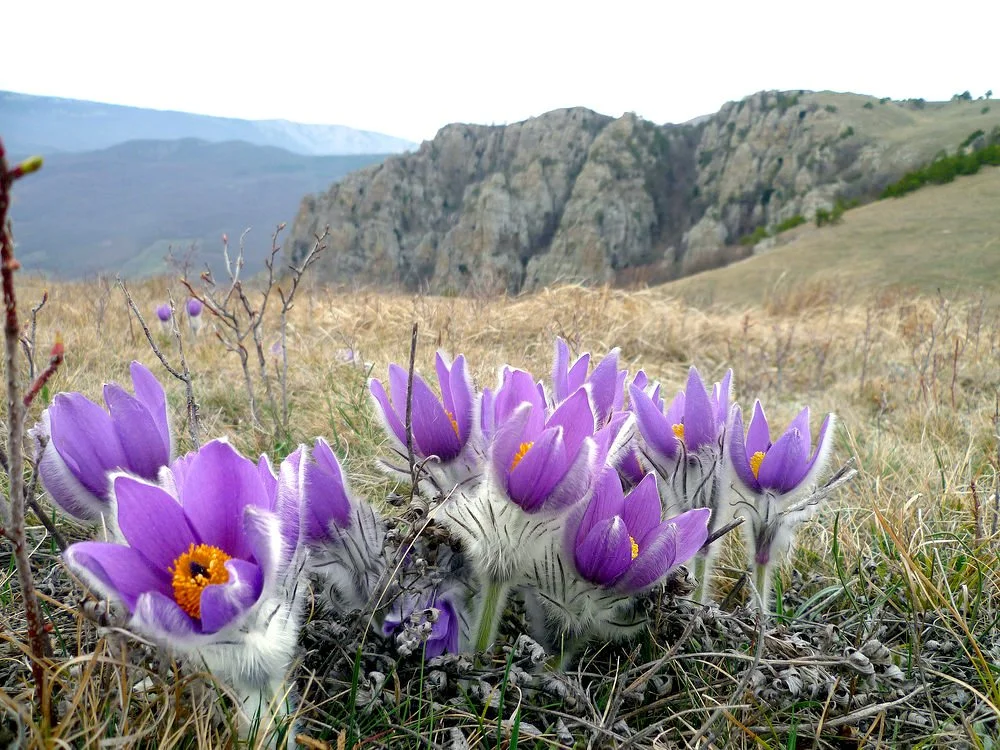
We select native and naturalized plants and plant communities to establish a healthy micro climate, build seasonal immunity, reduce water usage and maintenance long term, and boost native pollinator and root eco systems.
SMART USE + LOW WATER SOLUTIONS

Responsible Water Use
Our designs use low water emission, capture water on site to increase moisture retention, balance dispersal for effective use, recharge groundwater, reduce flooding, or keep pollutants out of local waterways.
LOCAL GROWERS + MATERIAL SUPPLIERS

Locally sourced community led
We recommend sourcing your plants and materials through local organizations and businesses to support community business and resources, reduce carbon footprint and keep your economy and ecology strong.
growing community
POLLINATORS + BIODIVERISTY

restoring micro systems + Habitat
We promote native and keystone plants to support biodiversity, strengthen ecosystem resilience, create the conditions for life’s living networks to thrive, and sustain neighborhood wildlife routes or wildflower corridors.
GROUNDCOVER TO OVERSTORY

Proactive layers + risk prevention
Our designs layer select canopy, understory or mid level shrubery, seasonal blooms, and select ground cover to create a living ecosystem that can help restore elemental balance, offset home energy consumption, and mitigate risk of wildfire or drought.
NATURAL + SUSTAINABLE MATERIALS

Sustainably Harvested
We recommend outdoor [FSC-approved] wood where possible to support sustainable forest management practices, Composite Materials (like Trex) with excellent waste diversion (Circularity), and Non-Combustible Alternatives for fire mitigation.
Got Community Resources?
ASK ABOUT LINKING UP YOUR NEIGHBORHOOD COMMUNITY RESOURCES PAGE
WHAT’S GROWING NATURALLY?
CONTINUE READING ABOUT SUSTAINABLE ACTIONS + COMMUNITY
❖ How You Relate To Your Property Is a Key Part Of The Changes Happening Today
❖ How Is Biodiversity The Best Value For Your Project?

Got A Question?
CONTACT US WITH YOUR INQUIRY OR FAQs